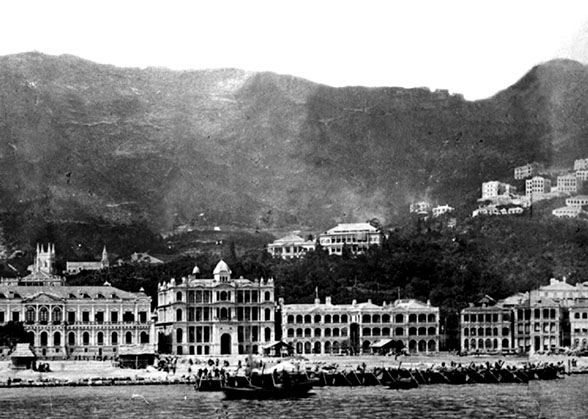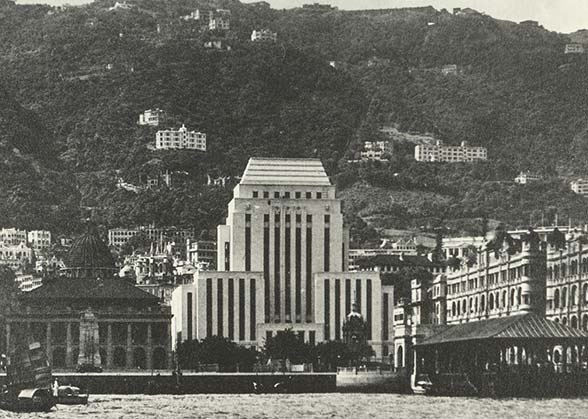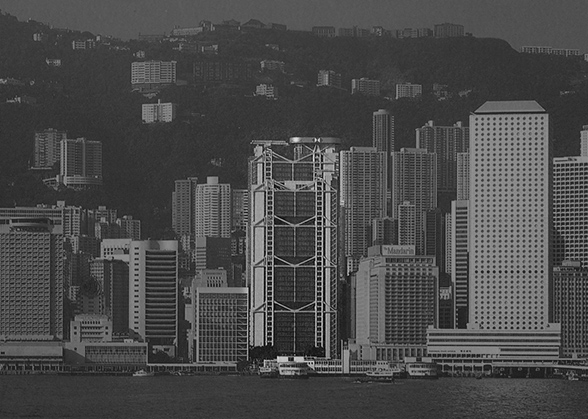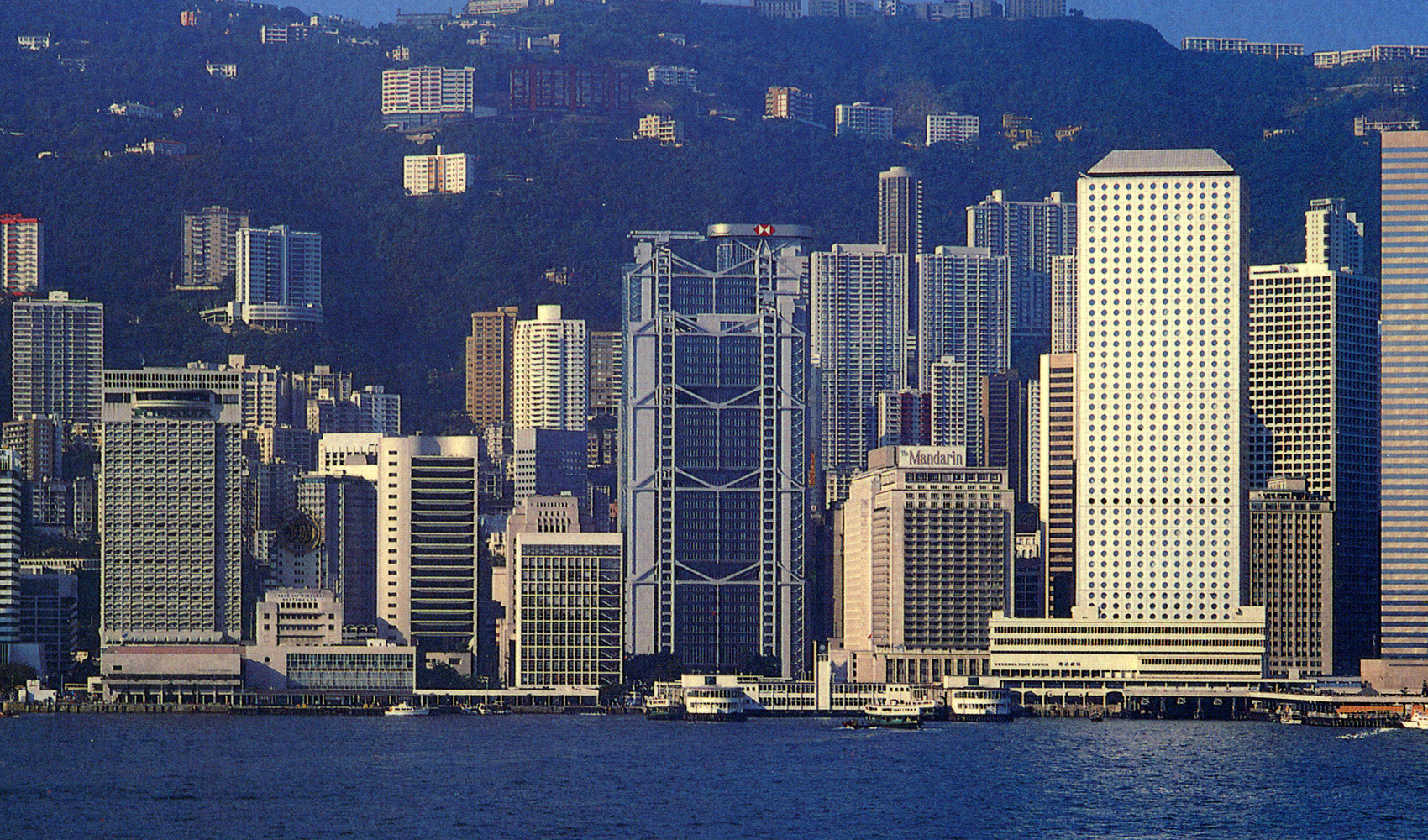
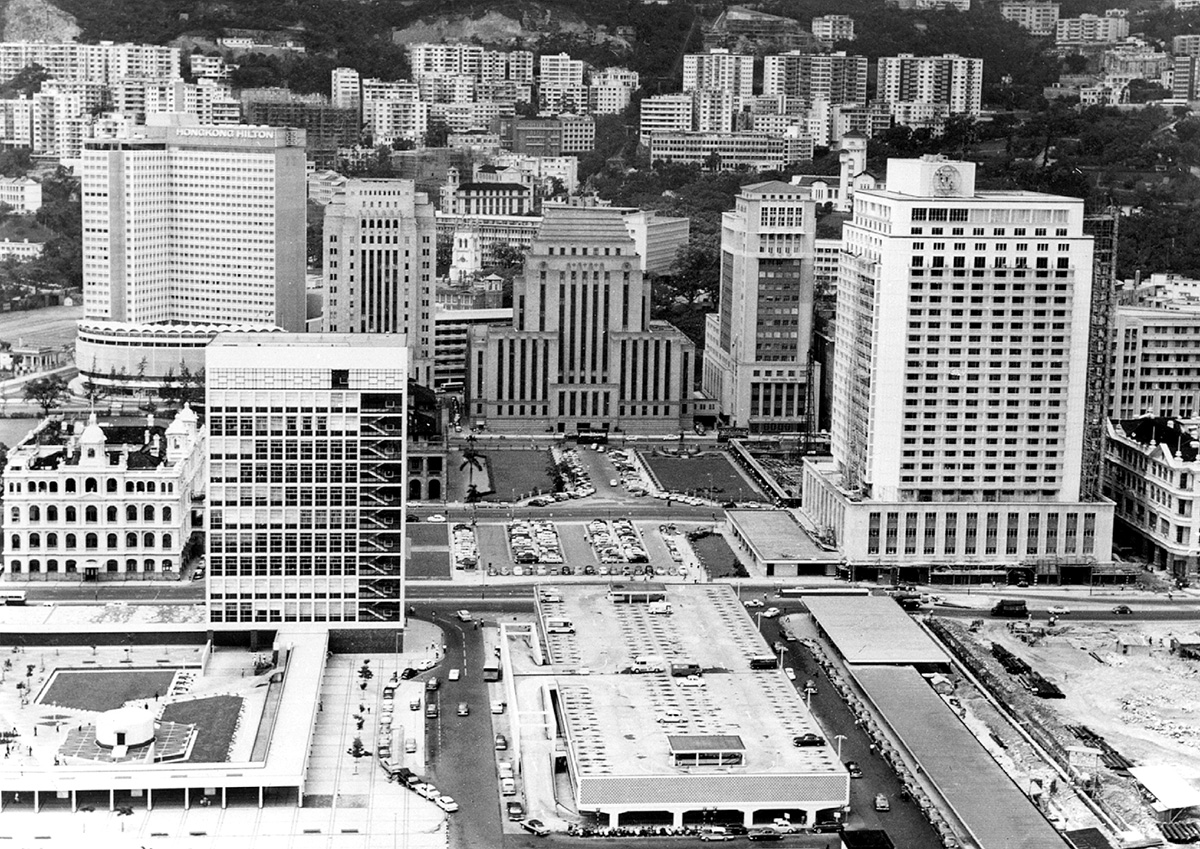
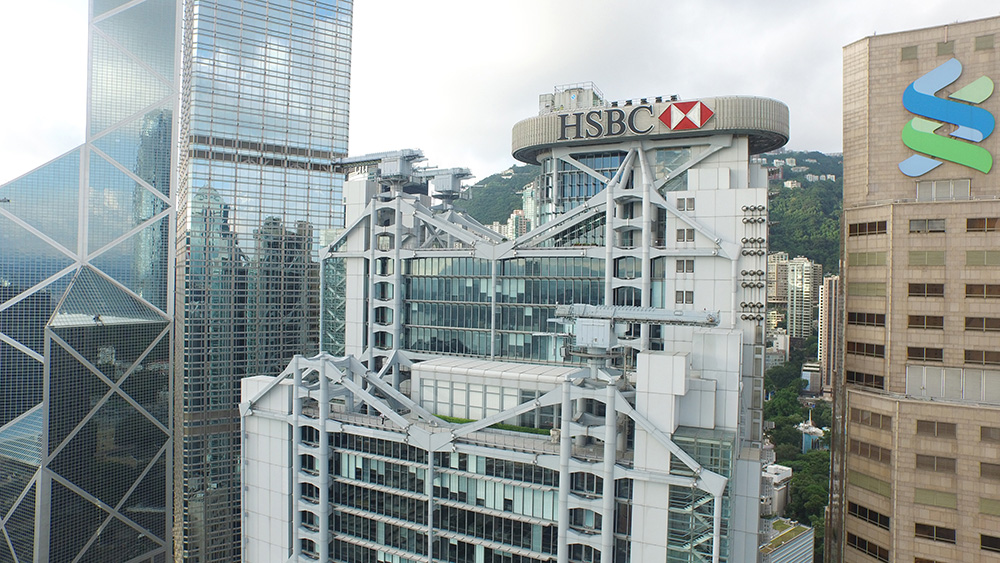
滙豐在香港的第四代總行大廈於1986年4月7日在皇后大道1號正式開幕,繼1935年大樓成為銀行的總部。後者替代了1886年總部,而1886年的大樓則取代了1865年滙豐在域厘行開業的行址。滙豐新建的每座總行大廈都是劃時代的建築,而現有總行更展現飛躍巧思,融合尖端工程技術、本地傳統與未來視野。1986年4月7日,香港上海汇丰银行第四代总行大楼于皇后大道1号正式揭幕。这座大楼取代了1935年启用的总行,而1935年的总行则接替了1886年的办公场所,最早可追溯至1865年汇丰首次开业时所在的域厘行。每一代总行大楼都堪称建筑创举,而这座最新的大楼更是实现了划时代创新——将尖端工程技术、本土传统元素与前瞻视野精妙融合。La sede central de cuarta generación de HSBC en Hong Kong fue inaugurada oficialmente el 7 de abril de 1986 en 1 Queen’s Road. Reemplazó a nuestras oficinas de 1935, que siguió a nuestras instalaciones de 1886, las cuales, a su vez, habían reemplazado a Wardley House, donde abrimos nuestra empresa por primera vez en 1865. Cada nueva sede central había sido innovadora, pero este último edificio marcó un salto radical, combinando ingeniería de vanguardia, tradición local y visión de futuro. Le 7 avril 1986, est inauguré à Hong Kong, la quatrième génération du siège social de HSBC à l'adresse emblématique du 1 Queen’s Road. Il succède à Wardley House, ouvert en 1865 puis aux bâtiments de 1886 et de 1935. Si chaque nouvelle construction représentait une avancée majeure, cet immeuble marque un tournant décisif. Il conjugue ingénierie de pointe, tradition locale et vision d’avenir.HSBC’s fourth-generation head office in Hong Kong was officially opened on 7 April 1986 at 1 Queen’s Road. It replaced our 1935 headquarters, which had followed our 1886 premises, which, in turn, had taken the place of Wardley House where we’d first opened for business in 1865. Each new head office had been groundbreaking, but this latest building marked a radical leap — blending cutting-edge engineering, local tradition, and future-focused vision.
匠心設計 愿景与设计Visión y diseñoVision et conceptionVision and design
1979年,時任滙豐主席沈弼闡述興建新總行大廈的目標時表示:「全面重建皇后大道行址,體現了銀行對香港的承諾,以及對香港作為國際金融中心未來發展的信心。」新大廈必須大幅擴展規模,並具備高度靈活性,以適應科技高速變化和作為一家環球銀行不斷演進的需要。為此,滙豐舉辦國際設計比賽,最終由富有遠見的建築師諾曼・福斯特(現為福斯特勳爵)及其Foster Associates團隊勝出。
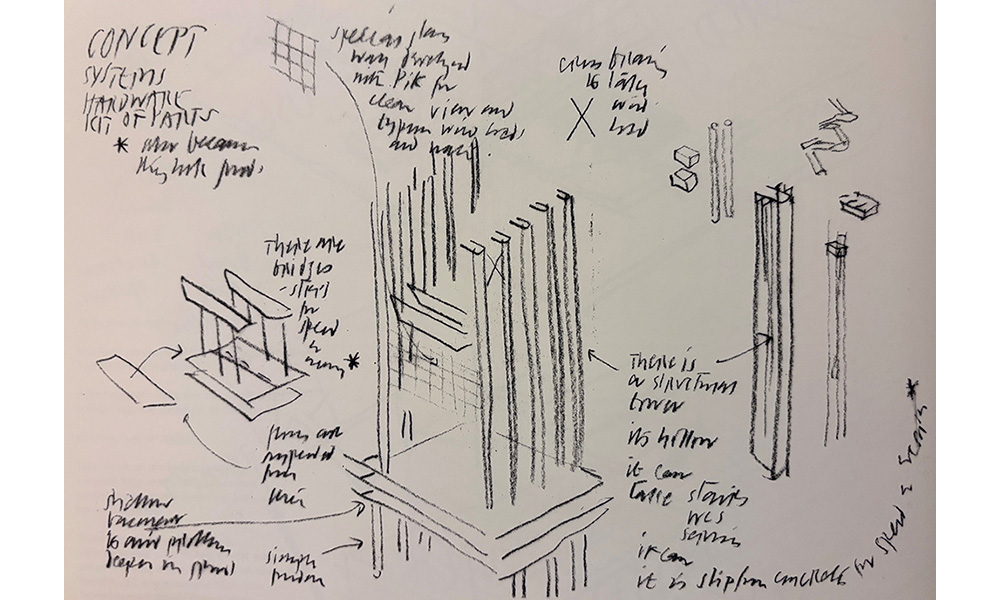
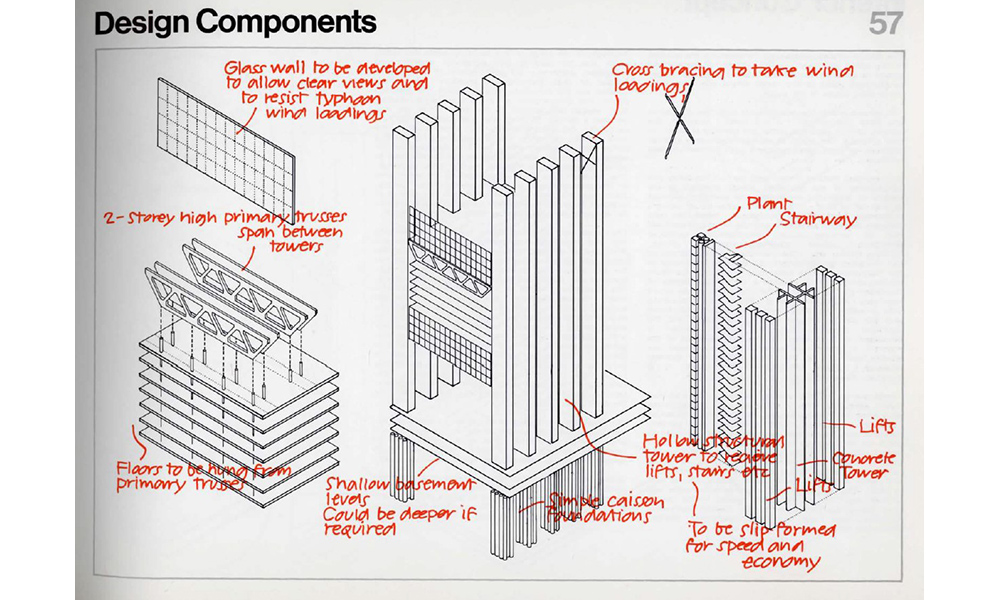
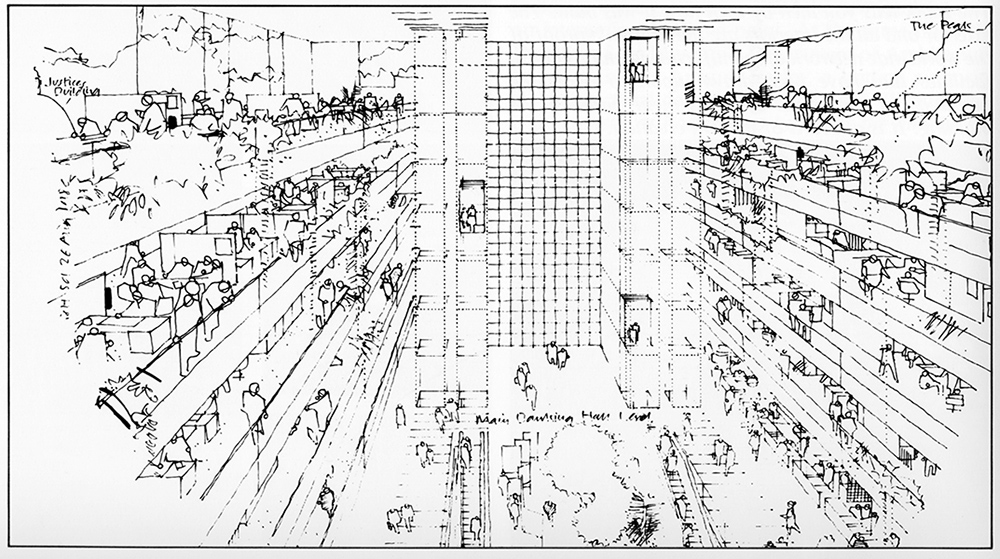
整體設計理念以靈活性為先。傳統辦公大樓通常把升降機、樓梯及機電系統集中於核心位置;福斯特則將這些設施移至建築邊緣,騰出寬闊無阻的空間,讓辦公室布局和團隊配置日後可按需要迅速調整。這設計令可用樓面面積較一般辦公大樓增加三倍。
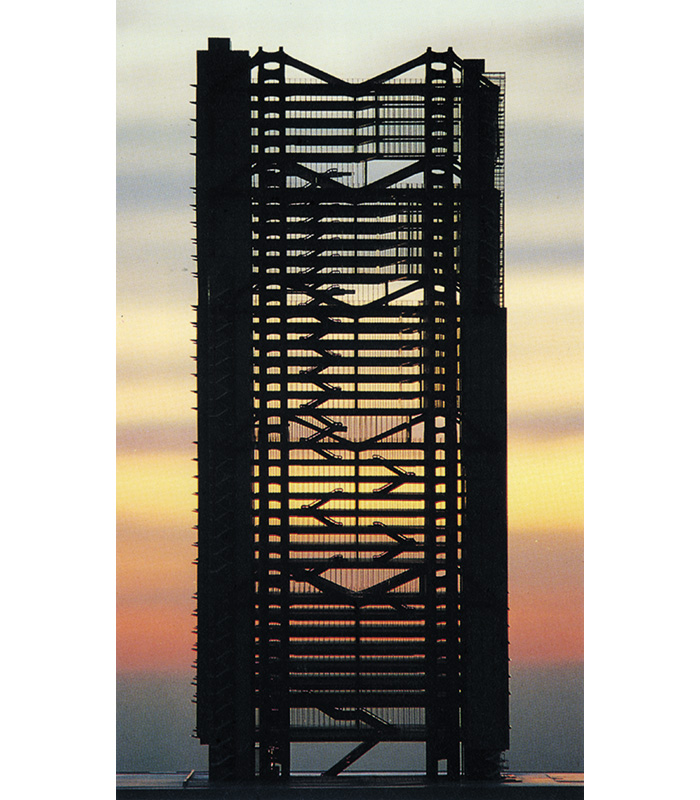
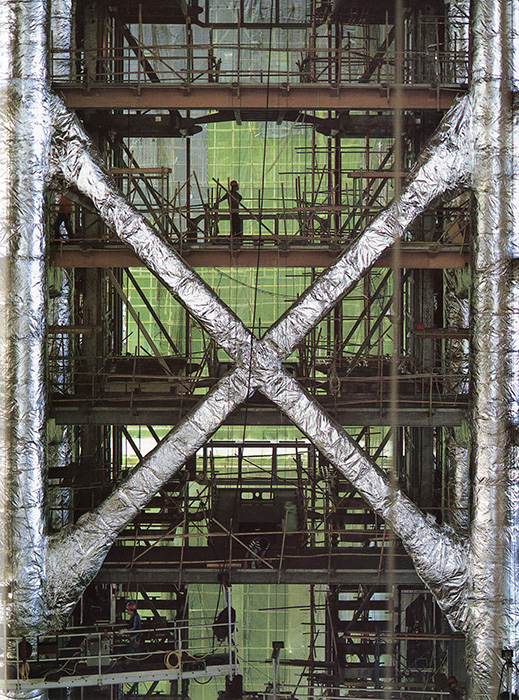
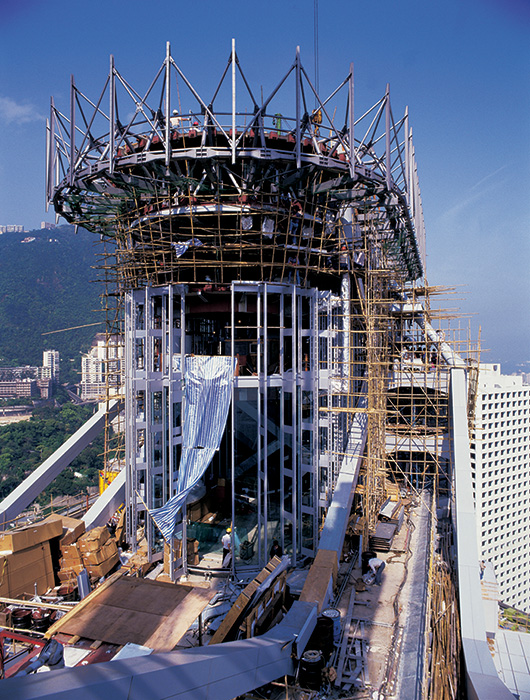
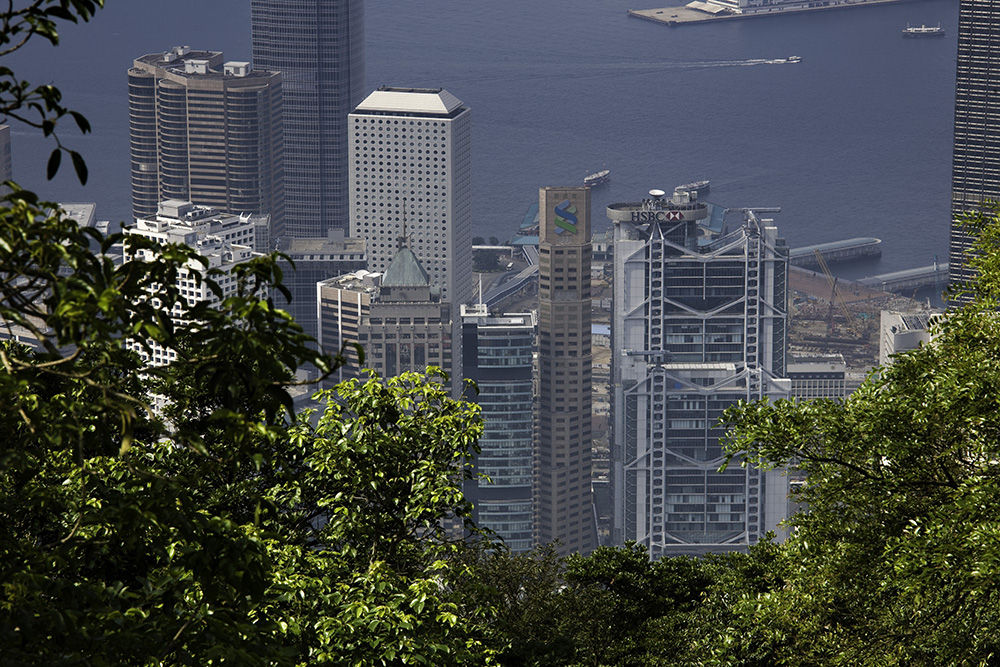
大廈結構靈感來自懸索橋,八組鋼柱構成三座塔式「衣架」結構,自地庫一直伸展至樓頂。大樓分為五個雙層高區域,每個區域猶如一座「空中村莊」,區內以扶手電梯連接,不同區域之間則由高速升降機往來。透明度亦是設計的重要原則之一:大廈的結構與服務設施外露,創造出前衛的視覺效果。正如諾曼・福斯特所言:「我們希望建造一座能適應未知未來的大廈——開放、靈活,並真正體現香港的活力。」
1979年,时任汇丰主席沈弼阐述兴建新总行大楼的目标时表示:“全面重建皇后大道行址,体现了本行对香港的承诺,以及对香港作为国际金融中心未来发展的信心。”
新大楼必须大幅扩展规模,并具备高度灵活性,以适应科技迅速演进,以及一家国际银行不断转变的需要。为此,汇丰举办国际设计比赛,最终由富有远见的建筑师诺曼·福斯特(现为福斯特勋爵)及其Foster Associates团队胜出。
整体设计理念以灵活性为先。传统办公大楼通常将升降机、楼梯及机电系统集中于核心位置;福斯特则将这些设施移至建筑边缘,释放出大片开放空间,让办公室布局和团队配置日后可按需要迅速调整。这种设计亦令可用楼面面积较一般办公大楼增加三倍。
大楼结构灵感来自悬索桥,八组钢柱构成三座塔式“衣架”结构,自地库一直伸展至楼顶。大楼分为五个双层高区域,每个区域犹如一座“空中村庄”,区内以扶手电梯连接,不同区域之间则由高速升降机往来。透明度亦是设计的重要原则之一:结构与服务设施外露,将银行运作的机械美学化为对创新的可见礼赞。正如诺曼·福斯特所言:“我们希望建造一座能适应未知未来的大楼——开放、灵活,并真正体现香港的活力。”
En 1979, el Presidente Michael Sandberg expresó el objetivo de HSBC para el nuevo edificio diciendo: “Un nuevo desarrollo completo del sitio de Queen’s Road expresa el compromiso del banco con Hong Kong y nuestra confianza en su futuro como centro financiero internacional”. El nuevo edificio debía ser mucho más grande y sumamente flexible a fin de poder adaptarse al rápido cambio tecnológico y a las necesidades en evolución de un banco global. Para lograr esto, HSBC lanzó un concurso internacional de diseño que ganó el visionario arquitecto Norman Foster (ahora Lord Foster) de Foster Associates.
El concepto dominante de su diseño fue la flexibilidad. Los edificios de oficinas tradicionales suelen tener una zona central para ascensores, escaleras y sistemas mecánicos. Foster llevó estos servicios a los bordes del edificio, liberando así amplios espacios abiertos para que las oficinas y los equipos pudieran reubicarse rápidamente según fuera necesario en el futuro. Además, creó tres veces más superficie útil que una torre de oficinas estándar.
La estructura del edificio se inspiró en los puentes colgantes, con ocho mástiles de acero que forman una triple torre a modo de 'perchero' desde el sótano hasta el techo. La torre se divide en cinco zonas de doble altura, cada una de las cuales constituye una 'aldea vertical' con escaleras mecánicas para el desplazamiento interno y ascensores de alta velocidad entre las diferentes zonas. La transparencia fue otro principio rector del diseño. La estructura y los servicios quedaron al descubierto, convirtiendo la mecánica bancaria en un tributo visible a la innovación. Como Norman Foster expresó: “Nos propusimos crear un edificio que pudiera adaptarse a un futuro desconocido: abierto, flexible y que reflejara realmente la energía de Hong Kong”.
Dès 1979, le président Michael Sandberg définit les ambitions de HSBC pour le nouvel immeuble : « Le réaménagement complet du site de Queen’s Road est l’expression de l'engagement de la banque envers Hong Kong et de notre confiance en son avenir en tant que centre financier international ». Ce nouveau bâtiment devait être à la fois plus vaste et d'une grande flexibilité pour faire face aux évolutions technologiques et aux besoins changeants d’une banque mondiale. HSBC lance alors un concours international, remporté par l'architecte visionnaire Norman Foster, aujourd’hui Lord Foster, de Foster Associates.
Le principe directeur du projet était la flexibilité. Là où les immeubles de bureaux traditionnels concentrent ascenseurs, escaliers et systèmes techniques dans un noyau central, Norman Foster déplace ces équipements en périphérie, libérant de vastes plateaux entièrement ouverts et reconfigurables à volonté. Il en résulte une surface utile trois fois supérieure à celle d’une tour de bureaux classique.
La structure s’inspire des ponts suspendus : huit mâts d’acier forment une triple tour « en cintre », du sous-sol jusqu’au sommet. La tour s’articule en cinq zones à double hauteur, de véritables « villages verticaux » reliés par des escalators et des ascenseurs grande vitesse. La transparence est un second fil conducteur. Structures et installations techniques restent délibérément apparentes, faisant de la mécanique même du bâtiment une célébration visible de l’innovation. Comme l'a résumé Norman Foster : « Nous avons cherché à créer un immeuble capable de s’adapter à un avenir inconnu — ouvert, flexible, à l'image du dynamisme de Hong Kong. »
HSBC’s goal for the new building was articulated in 1979 by Chairman Michael Sandberg, who said “a complete redevelopment of the Queen’s Road site is an expression of the bank’s commitment to Hong Kong and our confidence in its future as an international financial centre.” The new building needed to be much larger, and highly flexible to adapt to rapid technological change and the evolving needs of a global bank. To achieve this, HSBC launched an international design competition that was won by visionary architect Norman Foster (now Lord Foster) of Foster Associates.
The overriding design concept was flexibility. Traditional office blocks typically have a central core for lifts, staircases, and mechanical systems. Foster pushed these services to the building’s edges and unlocked vast open spaces so offices and teams could be quickly relocated as required in the future. It also created three times more usable area than a standard office tower.
The building’s structure was inspired by suspension bridges, with eight steel masts forming a triple tower ’coat hanger’ from basement to rooftop. The tower divided into five double-height zones, each a ‘vertical village’ with escalators for internal movement and high-speed lifts between zones. Transparency was another guiding principle for the design. Structure and services were left exposed, turning the mechanics of banking into a visible celebration of innovation. As Norman Foster stated, “We set out to create a building that could adapt to an unknown future — open, flexible, and a true reflection of Hong Kong’s energy.”
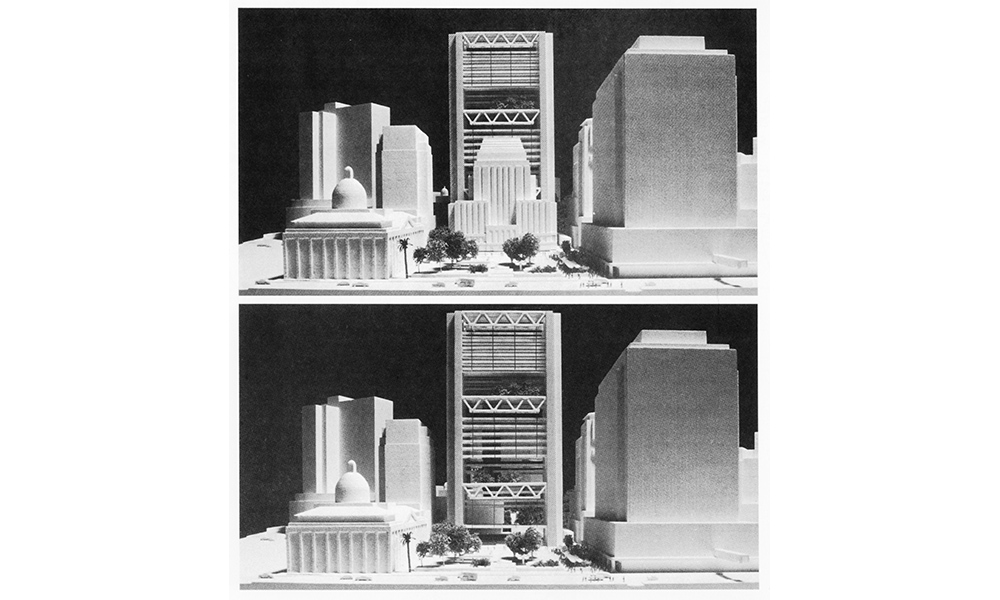


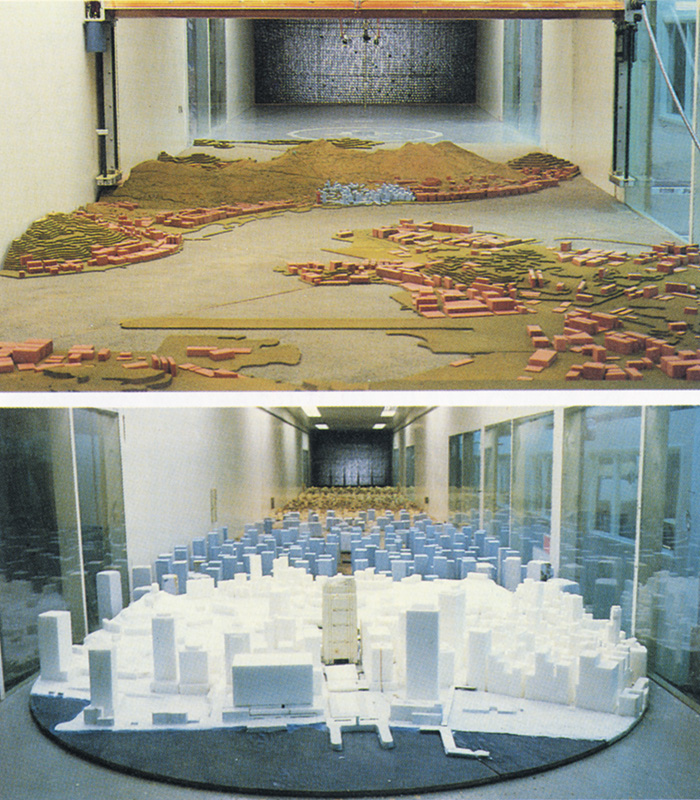
香港地處颱風頻仍的地區,因此抵禦强風的能力是設計上的首要考量。這個項目進行了當時建築工程中最全面的風力工程研究,製作多個極為精細的縮尺模型,包括整個香港島模型,以及涵蓋新廈周邊600米範圍內所有建築物的鄰近環境模型。這些模型在加拿大的Boundary Layer Wind Tunnel Laboratory接受嚴格測試,確保各種可能出現的風況均經過周詳分析,並納入最終設計。
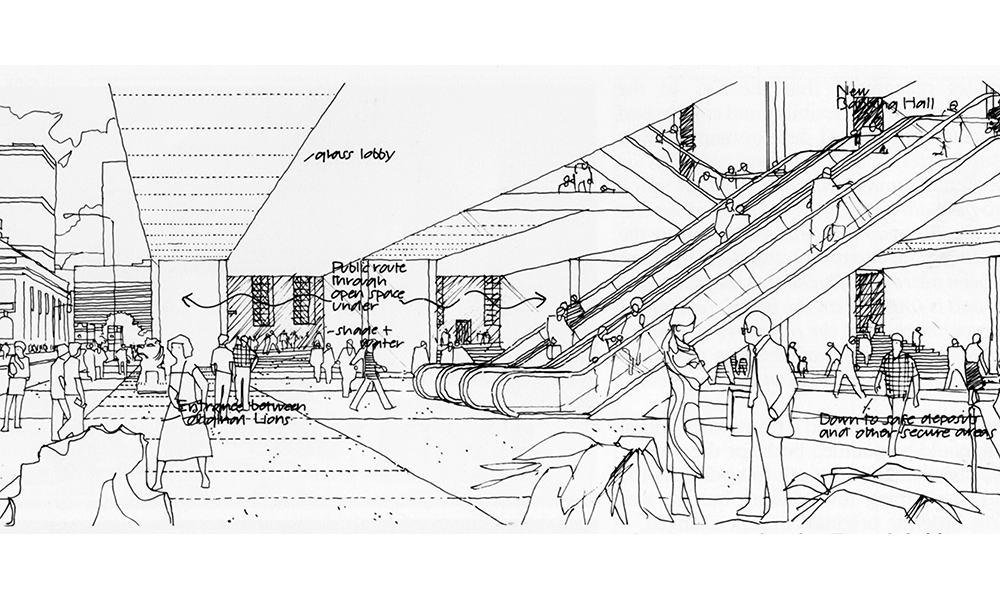
福斯特更重新構想大廈内的人員往來,以及他們與空間互動的情況,然後為建築設計注入濃厚的社交元素。構想的核心是設置62部扶手電梯,此數目當時創下全球單一建築最多扶手電梯的紀錄。這些扶手電梯運載人員輕鬆快捷地往來五個「空中村莊」内的樓層。正如福斯特所說,這是「讓大廈内往來的人感到更人性化、更舒適,不會覺得困於金屬盒子裡上上落落,出入千篇一律的樓層。」這種設計有助化解摩天大樓龐大辦公空間所帶來的距離感,營造更易達而富動感的環境。
新大廈的設計同樣重視文化融和。從設計初期開始,福斯特及其團隊便與風水師緊密合作,確保大廈內的人流與氣場流動自然平衡。扶手電梯的位置、入口朝向,以至中庭的開放布局,均經過這些諮詢而確定。最終成就了一座外觀大膽前衛,同時又和諧親切、令人賓至如歸的建築。香港地处台风多发区域,因此抗风性能是建筑设计的首要考量。该项目进行了当时建筑史上最为详尽的风工程研究,其研究深度前所未有。这包括制作多个详细的缩尺模型,其中一个涵盖整个香港岛,另一个则是新建筑周边600米范围内所有建筑物的临近区域模型。这些模型在加拿大的Boundary Layer Wind Tunnel Laboratory接受了严格测试,确保所有可能的风况均得到全面分析,并纳入最终建筑设计中。
福斯特更重新构想大楼内的人员往来,以及他们与空间互动的情况,然后为建筑设计注入浓厚的社交元素。构想的核心是设置62部扶手电梯,此数目当时创下全球单一建筑最多扶手电梯的纪录。这些扶手电梯运载人员轻松快捷地往来五个“空中村庄”内的楼层。正如福斯特所说,这是“让大楼内往来的人感到更人性化、更舒适,不会觉得困于金属盒子里上上落落,出入千篇一律的楼层。”这种设计有助化解摩天大楼庞大办公空间所带来的距离感,营造更易达而富动感的环境。
新大楼的设计同样重视文化融合。从设计初期开始,福斯特及其团队便与风水师紧密合作,确保大楼内的人流与气场流动自然平衡。自动扶梯的位置、入口朝向,以及中庭的开放布局,均经过这些咨询而确定。最终成就了一座外观大胆前卫,同时又和谐亲切、令人宾至如归的建筑。Hong Kong se encuentra en una región propensa a los tifones, por lo que la resistencia al viento era una prioridad absoluta. El proyecto fue sometido a los estudios de ingeniería eólica más exhaustivos jamás realizados para un edificio hasta ese momento. Esto implicó la creación de múltiples maquetas a escala detalladas, incluyendo una de toda la isla de Hong Kong, y un modelo de proximidad de todas las estructuras ubicadas a menos de 600 metros del nuevo edificio. Estos modelos fueron sometidos a pruebas rigurosas en el Laboratorio de Túnel de Viento de Capa Límite en Canadá, lo que garantizó que cada posible escenario de viento fuera analizado exhaustivamente e incorporado al diseño final.
Foster también aportó una fuerte dimensión social al diseño del edificio, reimaginando cómo las personas se moverían e interactuarían dentro del espacio. Un elemento central de esta visión fue la inclusión de 62 escaleras mecánicas — la mayor cantidad instalada en un solo sitio del mundo hasta ese momento. Se utilizan como ‘transportes de personas’, vinculando las cinco zonas de cada ‘aldea vertical’ para que la transición entre pisos sea rápida y sencilla. Como sostuvo Foster, es “una forma más humana y agradable de moverse por un edificio, que subir y bajar en una caja de metal donde cada piso es prácticamente igual”. Este enfoque ayudó a modular la vasta escala del espacio de oficinas del rascacielos, creando un entorno más accesible y dinámico.
La armonía cultural era igualmente importante. Desde las primeras etapas, Foster y su equipo trabajaron en estrecha colaboración con un geomante de feng shui, asegurándose de que el flujo de personas y energía del edificio se sintiera natural y equilibrado. La ubicación de las escaleras mecánicas, la orientación de las entradas y la amplitud del atrio fueron factores que influyeron en el diseño a partir de estas consultas. El resultado es un edificio de aspecto audazmente futurista, que a la vez transmite una sensación de armonía y calidez. Hong Kong est situé dans une région sujette aux typhons : la résistance au vent constitue donc une priorité absolue. Le projet a fait l’objet des études d’ingénierie éolienne les plus poussées jamais menées à l'époque pour un bâtiment. Plusieurs maquettes à l’échelle sont réalisées, dont une représentant l’ensemble de l’île de Hong Kong, et une autre recensant toutes les structures dans un rayon de 600 mètres autour de l'immeuble. Rigoureusement testées au Boundary Layer Wind Tunnel Laboratory au Canada, elles permettent d’analyser et d’intégrer au design final tous les scénarios de vent possibles.
Foster insuffle également une forte dimension sociale au projet, repensant la manière dont les occupants se déplacent et interagissent dans l’espace. Au cœur de cette vision : l'installation de 62 escalators — le plus grand nombre jamais installé sur un seul site dans le monde. Ces "navettes" relient les cinq zones de chaque « village vertical » et fluidifient les déplacements entre les étages. Comme le souligne Foster, c’est « une façon plus humaine et plus agréable de circuler dans un bâtiment que de monter et descendre dans une boîte métallique où chaque étage est quasiment identique ». Cette approche a permis d'atténuer l'immensité des espaces de bureaux de la tour en créant un environnement plus accessible et dynamique.
L’harmonie culturelle est tout aussi centrale. Dès les premières étapes, Foster et son équipe travaillent en étroite collaboration avec un géomancien spécialiste du feng shui, afin de garantir une circulation fluide et équilibrée des personnes et de l’énergie. De l’emplacement des escalators à l’orientation des entrées ou à l’ouverture de l’atrium, ces principes ont présidé à la conception du bâtiment. L’immeuble est ainsi résolument futuriste, tout en dégageant une impression d’harmonie et d’accueil. Hong Kong is located in a typhoon-prone region, which meant that wind resilience was a top priority. The project underwent the most exhaustive wind engineering studies ever conducted for a building at that time. This involved creating multiple detailed scale models, including one of the entire Hong Kong Island, and a proximity model of all structures within 600 metres of the new building. These models were rigorously tested at the Boundary Layer Wind Tunnel Laboratory in Canada, ensuring that every possible wind scenario was thoroughly analysed and incorporated into the final design.
Foster also brought a strong social dimension to the design of the building, reimagining how people would move and interact within the space. Central to this vision was the inclusion of 62 escalators — the largest number on a single site in the world at the time. They are used as ‘people movers’, linking the five zones of each ‘vertical village’ to make transition between floors fast and easy. As Foster noted, it's “a more human and enjoyable way of moving through a building, than travelling up and down in a metal box with every floor virtually the same.” This approach helped to modulate the vast scale of the skyscraper’s office space, creating a more accessible and dynamic environment.
Cultural harmony was equally important. From the earliest stages, Foster and his team worked closely with a feng shui geomancer, ensuring that the building’s flow of people and energy would feel natural and balanced. The placement of escalators, the orientation of entrances, and the openness of the atrium were all shaped by these consultations. The result is a building that looks boldly futuristic, while also feeling harmonious and welcoming.


我們透過不斷提問與挑戰,實際上從以人為本、組織架構以至城市層面,重新定義了辦公大樓。滙豐從起初就表明十分注重大廈的靈活性。25年後,銀行認為這座大廈易於改動組裝,以配合需求的改變,某程度上有助他們維持長遠的實力。我们通过不断探索与挑战,从人文、组织乃至城市规划层面重新定义了办公大楼的形态。项目启动之初,汇丰即把“灵活性”列为大楼设计的核心原则。25年来,这一灵活设计让大楼能够随银行需求不断调整布局,也成为汇丰保持竞争力的重要因素之一。Mediante un proceso de cuestionamiento y desafío, prácticamente reinventamos la torre de oficinas en términos tanto humanísticos como organizativos y urbanísticos. El Banco asignó un alto nivel de prioridad a la flexibilidad desde el comienzo. Es interesante el hecho de que, aún 25 años después, atribuya parte de su continua fortaleza como empresa a la capacidad de reconfigurar el edificio para adaptarlo a sus necesidades cambiantes.Par un processus fait de questionnement et de remises en cause, nous avons pratiquement réinventé la tour de bureaux dans ses dimensions humaines, organisationnelles et urbaines. Dès le lancement du projet la Banque a accordé la priorité à la flexibilité. Vingt-cinq ans plus tard, elle attribue d’ailleurs une part de sa solidité à sa capacité à reconfigurer l’immeuble au gré de ses besoins.Through a process of questioning and challenging we virtually reinvented the office tower – in humanistic as well as organisational and urban terms. From the outset, the bank placed a high priority on flexibility. Interestingly, 25 years on, it attributes a measure of its continued strength as a company to the ability to reconfigure the building to suit its changing needs.
築造非凡筑造非凡Construyendo lo imposibleConstruire l'impossibleBuilding the impossible
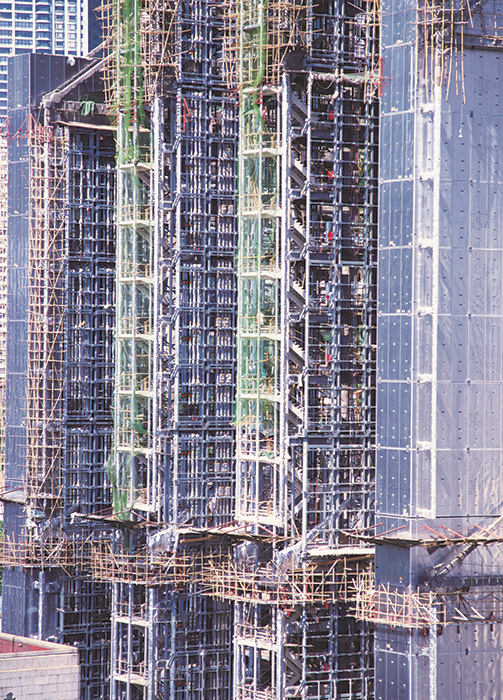
要將福斯特雄心勃勃的設計構思付諸現實,必須具備超卓的工程和物流技術,才能突破1980年代環境的種種限制。工程其中一項最矚目的特點,是高度依賴預製組件及「適時送達」的施工模式。超過27,000公噸的結構鋼件在英國加工製作,部分構件高達兩層樓。結構鋼件經海路運抵香港,再經陸路送往工地,裝嵌的精確度以毫米計算。施工高峰期平均每天有300公噸鋼材送達現場。大廈外牆由逾90,000平方米的鋁質外殼組成,在美國設計及預製,以900個貨櫃運抵香港,再由350多名本地裝配工人安裝,每件組件之間的誤差僅為3毫米。
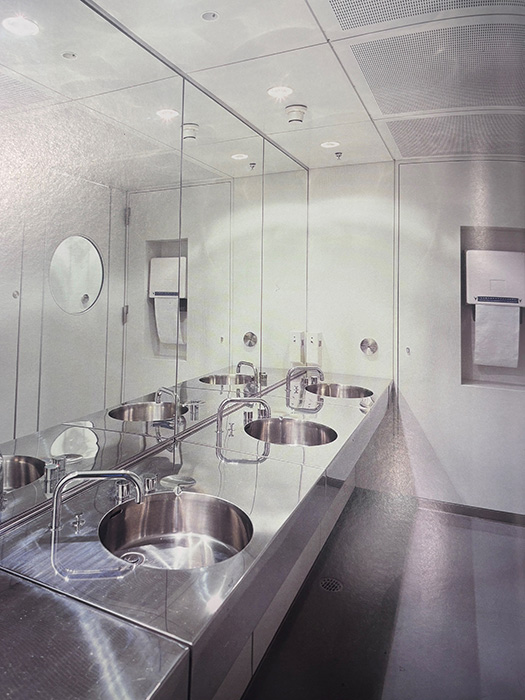
來自日本的預製組件亦是提升工程效率與品質的關鍵。139個經防火處理的鋼框模組,每個長達12米、重30至40公噸,運抵香港時已預先裝妥空調、供電及洗手間設施。另有內藏喉管及電力系統的預製立管組件,將這些模組無縫接駁至大廈的主要服務系統。
施工高峰期,工地上有超過4,500名工人及100多家分判商同時作業。這項國際級工程由聯合管理團隊統籌,本地與海外承建商攜手協調複雜物流,確保每個部分都能精準配合。這是當時香港規模最大、亦最複雜的建築工程之一。
要将福斯特的宏伟构想变为现实,在1980年代堪称突破工程与物流极限的壮举。工程其中一项最瞩目的特点,是高度依赖预制构件及“适时送达”的施工模式。超过27,000公吨的结构钢件在英国制作,部分构件高达两层楼。这些结构钢件经海路运抵香港,再经陆路送往工地,装嵌的精确度以毫米计算。施工高峰期平均每天有300公吨钢材送达施工现场。大楼的“外壳”覆盖了超过90,000平方米的铝制幕墙,在美国设计及预制,经900个货柜运抵香港,再由350多名本地装配工人安装,每件组件之间的误差仅为3毫米。
来自日本的预制构件亦是提升工程效率与品质的关键。总计有139个防火钢框模组,每个长达12米、重30至40公吨,运抵香港时已预先装妥空调、供电及卫生间设施。另有内藏喉管及电力系统的预制立管组件,将这些模组无缝接驳至大厦的主要服务系统。
施工高峰期,工地上有超过4,500名工人及100多家分包商同时作业。这项国际级工程由联合管理团队统筹,本地与海外承建商携手协调复杂物流,确保每个部分都能精准配合。这是当时香港规模最大、亦最复杂的建筑工程之一。
Convertir la ambiciosa visión de Norman Foster en realidad requirió una proeza de ingeniería y logística que superó los límites de lo posible en la década de 1980. Uno de los aspectos más destacados de la construcción fue el uso de elementos prefabricados y entregas puntuales. Más de 27.000 toneladas de acero estructural, algunas de cuyas secciones alcanzan los dos pisos de altura, se fabricaron en el Reino Unido. La estructura de acero fue enviada a Hong Kong y transportada a la obra para su montaje con precisión milimétrica. En su momento de mayor actividad, se entregaba una media de 300 toneladas de acero al día. La 'piel’ del edificio consiste en más de 90.000 metros cuadrados de revestimiento de aluminio. Este revestimiento fue diseñado y prefabricado en los EE. UU., transportado en 900 contenedores y colocado por más de 350 instaladores locales. El encaje de cada pieza permitía un margen de error de tan solo tres milímetros.
Los componentes prefabricados procedentes de Japón también desempeñaron un papel crucial en la eficiencia y la calidad del proyecto. Un total de 139 módulos ignífugos con estructura de acero —cada uno de hasta 12 metros de largo y con un peso de entre 30 y 40 toneladas— llegaron completamente equipados con aire acondicionado, electricidad y aseos. Unidades prefabricadas adicionales, que contenían sistemas de plomería y electricidad, conectaban estos módulos con los principales servicios del edificio de manera eficiente y fluida.
En el momento álgido de la construcción, más de 4.500 trabajadores y más de 100 subcontratistas participaron en la obra. Este esfuerzo internacional estuvo supervisado por un equipo de gestión conjunto que reunió a contratistas locales y extranjeros para coordinar la compleja logística y garantizar que todos los elementos encajaran perfectamente. Este fue uno de los proyectos de construcción más grandes y complejos que Hong Kong hubiera visto jamás.
Concrétiser la vision ambitieuse de Norman Foster a exigé une prouesse d’ingénierie et de logistique repoussant les limites du possible pour les années 1980. L’un des aspects les plus remarquables de la construction est la préfabrication et la livraison en flux tendu. Plus de 27 000 tonnes d’acier de structure sont fabriquées au Royaume-Uni, certaines sections atteignant la hauteur de deux étages. Elles sont ensuite expédiées à Hong Kong et assemblées sur place avec une précision millimétrique. Au plus fort du chantier, ce sont 300 tonnes d’acier qui arrivent chaque jour. L’enveloppe de l’immeuble est constituée de plus de 90 000 mètres carrés de bardage en aluminium. Conçu et préfabriqué aux États-Unis, il est expédié dans 900 conteneurs et mise en place par plus de 350 poseurs locaux. Chaque pièce s’assemble avec des tolérances aussi minimes que trois millimètres.
Les composants préfabriqués importés du Japon jouent également un rôle crucial dans l’efficacité et la qualité du projet. Au total, 139 modules ignifugés à ossature métallique — mesurant chacun jusqu’à 12 mètres de long et pesant de 30 à 40 tonnes —sont livrés entièrement équipés avec climatisation, électricité et sanitaires. Des colonnes montantes également préfabriquées, intégrant plomberie et électricité raccordent ces modules aux réseaux principaux de l’immeuble.
Au plus fort de la construction, plus de 4 500 ouvriers et 100 sous-traitants sont simultanément à pied d’œuvre. La supervision de cette opération internationale est assurée par une équipe de direction commune, réunissant entrepreneurs locaux et étrangers afin de coordonner la logistique complexe et garantir un assemblage parfait. C’est l’un des chantiers les plus importants et les plus complexes jamais entrepris à Hong Kong.
Turning Norman Foster’s ambitious vision into reality required a feat of engineering and logistics that pushed the boundaries of what was possible in the 1980s. One of the most remarkable aspects of the construction was the reliance on prefabrication and just-in-time delivery. Over 27,000 tonnes of structural steel were fabricated in the UK, with some sections standing two storeys tall. The steelwork was shipped to Hong Kong and transported to the site for assembly with millimetre precision. At its peak, an average of 300 tonnes of steel were being delivered each day. The building’s ’skin’ consists of over 90,000 square metres of aluminium cladding. This was designed and prefabricated in the USA, shipped in 900 containers, and installed by more than 350 local fitters. Each piece fitted together with tolerances as tight as three millimetres.
Prefabricated components from Japan also played a crucial role in the project’s efficiency and quality. A total of 139 fireproofed, steel-framed modules — each measuring up to 12 metres long and weighing 30 to 40 tonnes — arrived fully fitted with air conditioning, power, and toilets. Additional prefabricated riser units, containing plumbing and electrical systems, linked these modules seamlessly into the building’s main services.
At the height of construction, more than 4,500 workers and over 100 subcontractors were involved on site. Overseeing this international effort was a joint management team, uniting local and overseas contractors to coordinate the complex logistics and ensure that every element fitted together perfectly. This was one of the largest and most complex building projects that Hong Kong had ever seen.
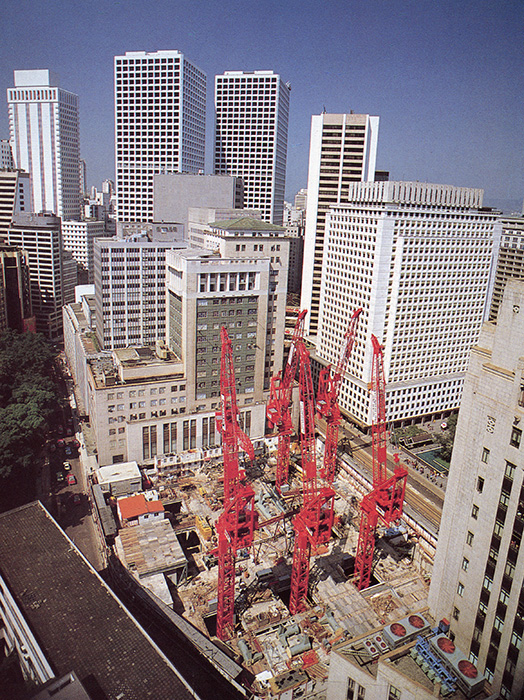
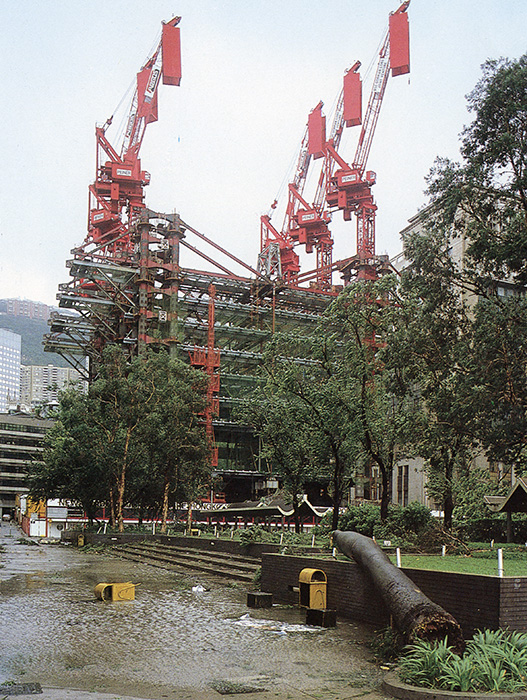
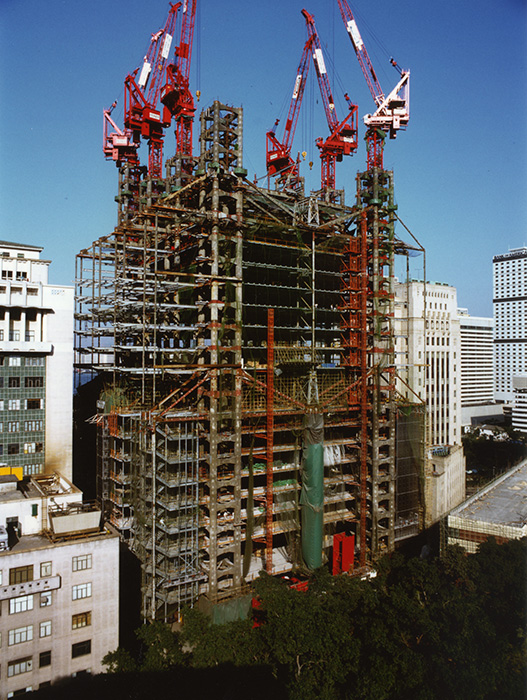
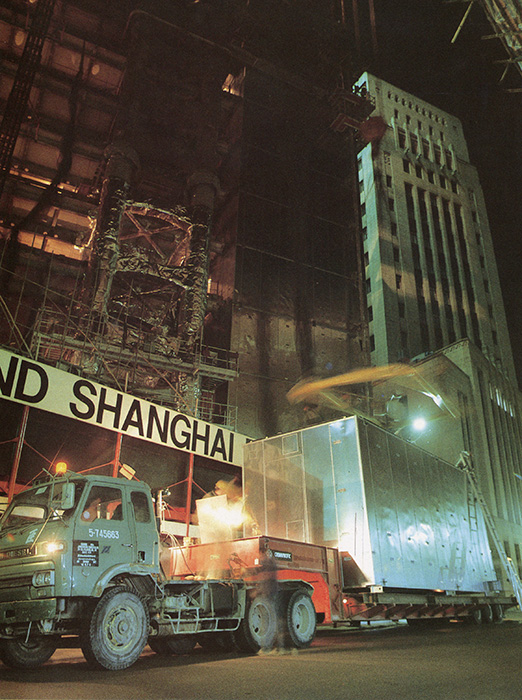


這是1980年代攝製的紀錄片《Building for Tomorrow》 的片段,全片呈現皇后大道1號的設計與建造過程。此段强調預製材料與適時準點運到等要素,如何影響大廈工程的進度。組件和服務設施立管均預先全面安裝妥當,然後裝船運往香港工地,而裝嵌誤差不超過幾毫米,使整個項目的質素與效率大為提高。(Hawke Films 許可轉載)影片节选自纪录片《Building for Tomorrow》,讲述1980年代的皇后大道1号的设计与建造。该片段重点展示了预制模组与准时交付,如何影响大楼的施工进度。预制模组及服务竖井运抵香港后,以毫米级精度在现场组装,在整个项目中提升了施工质量与效率。(Hawke Films授权转载)Extracto de ‘Construyendo para el mañana’, un documental sobre el diseño y la construcción de 1 Queen’s Road en la década de 1980. Este video pone de manifiesto cómo la prefabricación y la entrega puntual influyeron en la construcción del edificio. Los módulos y las tuberías de servicio, completamente equipados, se enviaron a Hong Kong y se ensamblaron en obra con precisión milimétrica, lo que mejoró la calidad y eficiencia de todo el proyecto. Material reproducido con la amable autorización de Hawke FilmsExtrait de "Building for Tomorrow", documentaire consacré à la conception et la construction du 1 Queen’s Road dans les années 1980. Cette vidéo illustre comment la préfabrication et la livraison à flux tendu ont façonné le chantier. Des modules entièrement aménagés et des gaines techniques ont été expédiés à Hong Kong puis assemblés sur place avec une précision millimétrique améliorant la qualité et l’efficacité tout au long du projet. Document reproduit avec l’aimable autorisation de Hawke FilmsExtract from ‘Building for Tomorrow’, a documentary on the design and construction of 1 Queen’s Road in the 1980s. This clip highlights how prefabrication and just-in-time delivery shaped construction of the building. Fully fitted modules and service risers were shipped to Hong Kong and assembled on site with millimetre precision, improving quality and efficiency throughout the project. Materials reproduced by kind agreement of Hawke Films
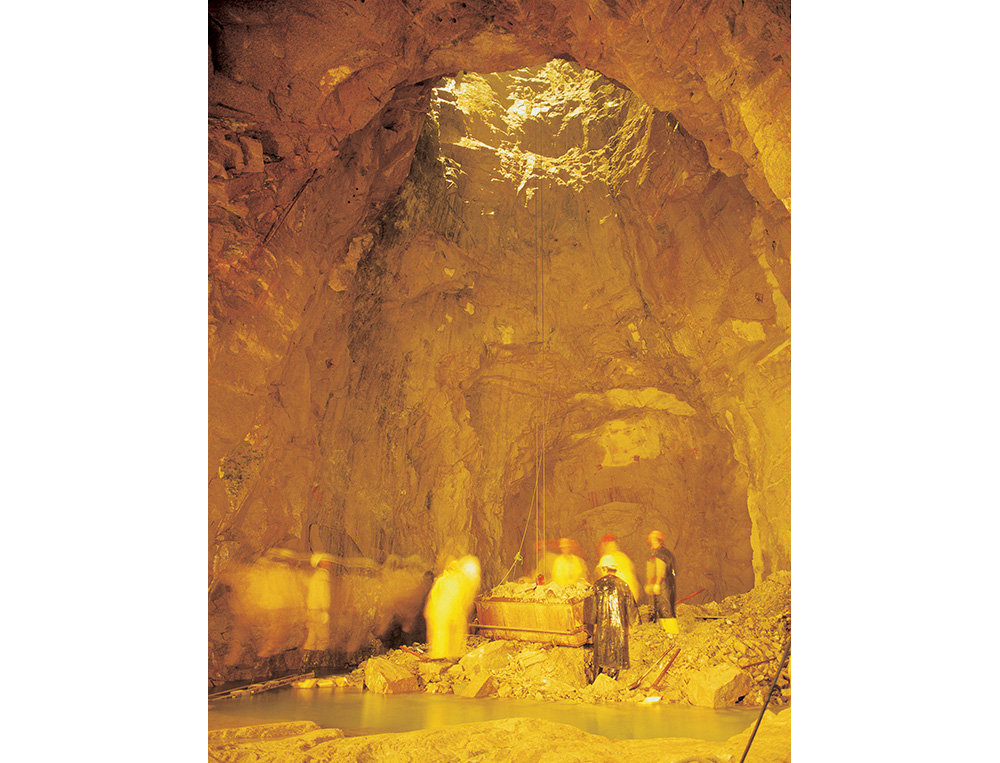
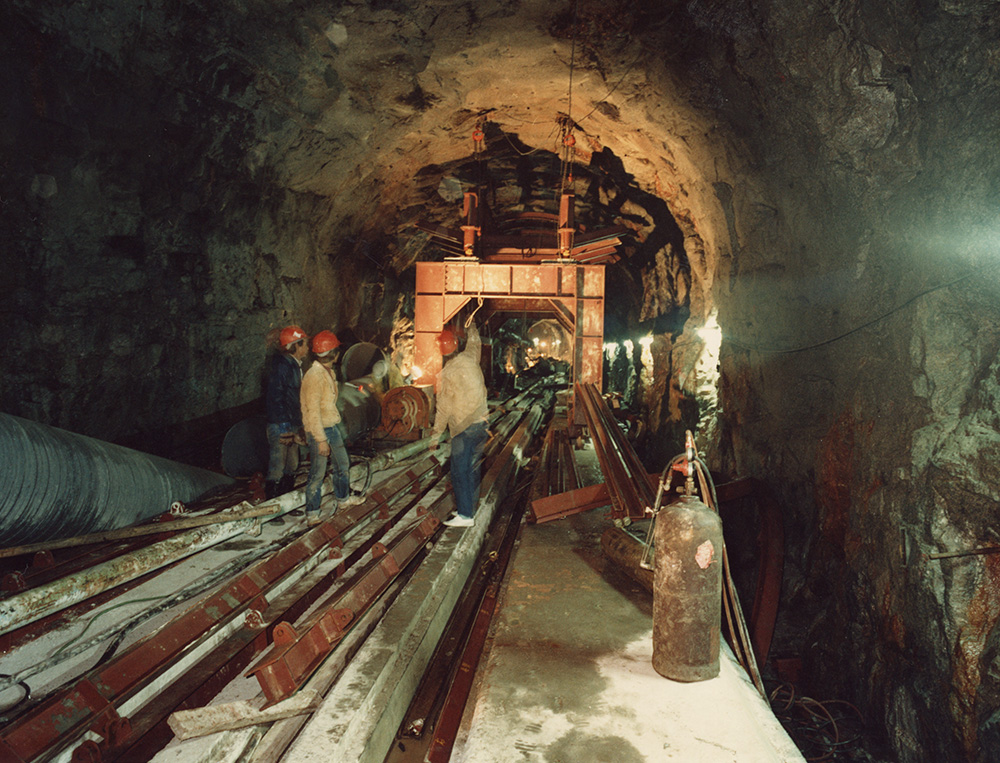
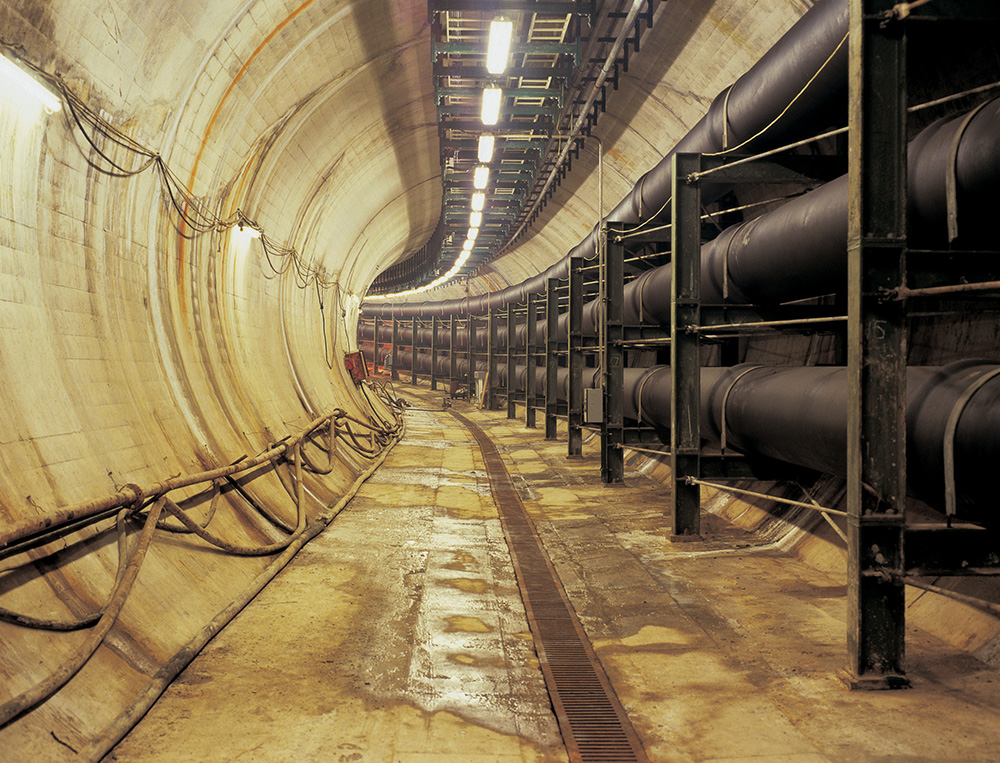
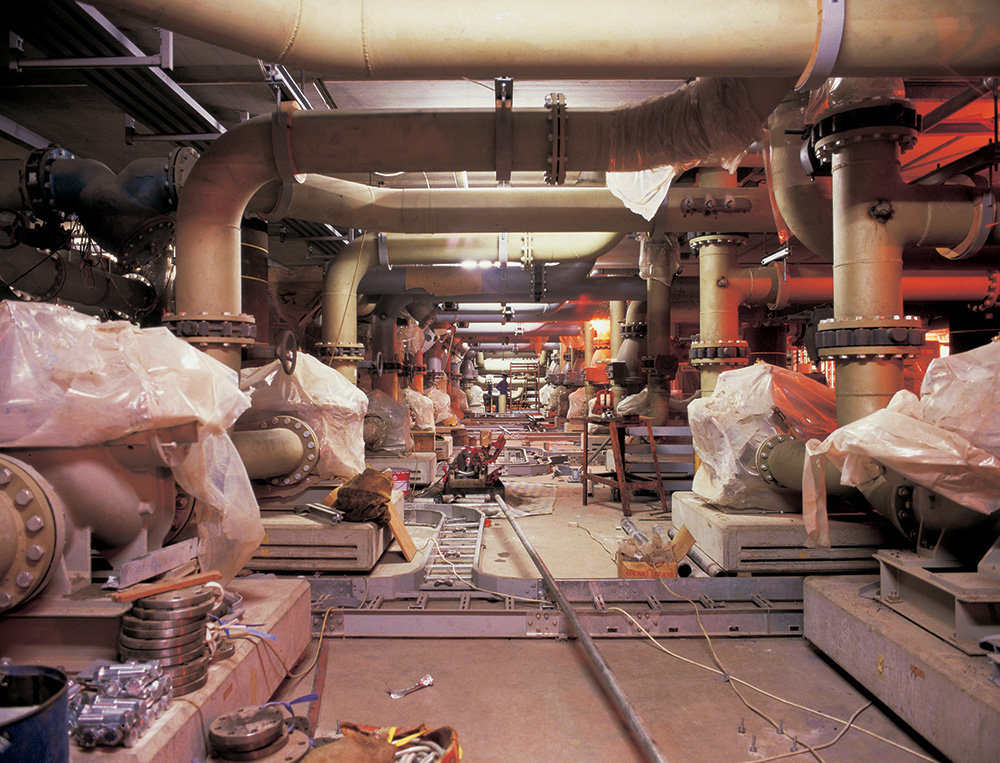
總行地面以下蘊藏不少强勁的創新與科技實例。這裏有多層地庫,寬闊的空間放置大廈製冷用的五座離心式冷卻機,並有排熱用的熱交換器。大廈排熱所用的特備隧道,是以海水爆破花崗岩而成,在香港最繁忙的街道底下延伸達350米。地庫又藏有大廈專用的變電站,以12個變壓器分送高壓電到各樓層。总部大楼地库隐藏着创新与工程于一体的核心设施。庞大的地下空间设有五台离心式冷水机组,为整栋大楼降温,同时通过专门隧道排出多余热量。这条隧道以海水爆破方式穿过花岗岩建成。隧道全长350米,贯穿香港最繁忙街道的地下。地库还设有专属变电站,通过12台变压器将高压电分送至每一楼层。Debajo de nuestras oficinas se encuentra un centro neurálgico de innovación e ingeniería. En los amplios sótanos se encuentran cinco enfriadoras centrífugas que refrigeran el edificio, e intercambiadores de calor que expelen el aire caliente por medio de un túnel construido especialmente para este fin. El túnel se excavó a través de granito para llevar agua de mar desde el puerto para el sistema de enfriamiento. Su longitud es de 350 metros y se extiende por debajo de las calles más transitadas de Hong Kong. En los sótanos también se encuentra la subestación eléctrica del edificio, que distribuye energía de alto voltaje a cada piso a través de doce transformadores.Sous le siège social se cache un véritable concentré d’innovation et d’ingénierie. De vastes sous-sols abritent cinq groupes frigorifiques centrifuges qui refroidissent le bâtiment, ainsi que des échangeurs de chaleur qui évacuent l’excédent de chaleur grâce à un tunnel spécialement construit. Celui-ci a été creusé dans le granit afin d’acheminer l’eau de mer depuis le port pour alimenter le système de refroidissement. Il s’étend sur 350 mètres sous les artères les plus fréquentées de Hong Kong. Les sous-sols accueillent également le poste de transformation électrique dédié au bâtiment, distribuant le courant haute tension via douze transformateurs, à tous les étages.Beneath the headquarters lies a powerhouse of innovation and engineering. Vast basements house five centrifugal chillers that cool the building, and heat exchangers that channel out excess warmth via a specially built tunnel. The tunnel was excavated through granite to carry seawater from the harbour for the cooling system. It stretches 350 metres beneath Hong Kong’s busiest streets. The basements also contain the building’s dedicated electricity substation, distributing high-voltage power through twelve transformers to every floor.


《Building for Tomorrow》 影片選段。在1980年代,電郵和檔案分享功能尚未普及,大廈已設有創新的文件運送系統。以迷你文件車沿著供電軌在垂直槽管穿梭,往來大廈34個樓層收集和分送郵件。它們停靠於各辦公樓層的指定文件站,工作人員可快速調整路綫,大大縮短派送時間。(Hawke Films 許可轉載)《Building for Tomorrow》影片节选。在1980年代,电子邮件与文件共享尚未普及之际,大楼已采用创新的文件传输系统。小型文件车沿竖井内的电动轨道运行,收发大楼34个楼层的邮件。列车停靠各层办公室的指定站点,工作人员可快速重新设定运行程序,显著缩短文件分发时间。(Hawke Films授权转载)Extracto de ‘Construyendo para el mañana’. En la década de 1980, antes del auge del correo electrónico y el intercambio de archivos, el edificio utilizaba un innovador sistema de transporte de documentos. Mini trenes circulaban por vías electrificadas dentro de un hueco vertical, recogiendo y entregando el correo a los 34 niveles. Los trenes paraban en las estaciones designadas de las oficinas y se reprogramaban rápidamente para reducir en gran medida los tiempos de distribución. Material reproducido con la amable autorización de Hawke FilmsExtrait de "Building for Tomorrow". Dans les années 1980, avant l’essor du courrier électronique et du partage de fichiers, le bâtiment utilisait un système innovant de transport de documents : de petits trains circulaient sur des rails électrifiés à l'intérieur d'une gaine verticale, collectant et distribuant le courrier aux 34 niveaux. Ils stationnaient à des points d’arrêt désignés et étaient rapidement reprogrammés, réduisant considérablement les délais de distribution. Document reproduit avec l’aimable autorisation de Hawke FilmsExtract from ‘Building for Tomorrow’. In the 1980s, before the boom in email and file sharing, the building used an innovative document transportation system. Mini trains travelled along electrified tracks within a vertical shaft, collecting and delivering mail to all 34 levels. They parked at designated office stations and were reprogrammed quickly to significantly reduce distribution times. Materials reproduced by kind agreement of Hawke Films
大廈的外觀與內部空間採用了數以十萬計的建築組件,充分展現了這項工程如何匯聚全球製造網絡與技術設施,它本身就是一部關於自身創造過程的紀錄。大楼的外观与内部空间用了数以十万计的构件,充分展现这项工程如何汇聚全球制造网络与技术设施。它本身就是一部关于自身创造过程的纪录。Tanto el exterior como el interior son prueba fehaciente de la red mundial de instalaciones técnicas y de fabricación que se han utilizado para elaborar los cientos de miles de componentes del edificio. Es un registro de su propia creación.L’extérieur et tous les intérieurs témoignent de manière spectaculaire de la mobilisation d'un réseau international de fabricants d’installations industrielles et techniques qui ont créé les centaines de milliers de pièces composant le bâtiment. L'immeuble offre à voir le récit de sa propre création. The exterior and all the interiors are the dramatic proof of the worldwide network of manufacturing and technical facilities that have been drawn upon to make the hundreds of thousands of component parts of the building. It is a record of its own creation.
竣工與煥新竣工与焕新Finalización y renovaciónDe l’achèvement au renouveauCompletion and renewal
我們流麗現代的新銀行大堂於1985年7月正式投入服務,同年11月總行員工亦全部遷入。其後舉行的開幕典禮更成為香港一時盛事。1986年4月7日晚上,整段皇后大道封閉以迎接2,500名嘉賓進場。當晚有由44人組成的彩龍沿扶手電梯穿梭銀行大堂,慶祝八年努力終告完成。新總行大廈的開幕備受矚目,更於沙田馬場現場直播,讓數以千計市民一同見證。至此,我們的新總行大廈正式揭幕。
1985年7月,全新银行大厅正式启用,同年11月总部员工搬迁工作完成。随后举行的开幕典礼成为香港历史上的一项标志性盛事。1986年4月7日当晚,整段皇后大道封闭以迎接2,500名嘉宾进场。一支由44人组成的多彩舞龙队伍沿自动扶梯蜿蜒而上,穿行于银行大厅,庆祝这座历经八年建成的杰作。新总部大楼开幕盛况空前,甚至在沙田马场进行现场直播,让数千人一同见证。汇丰的新总部大楼正式启用。
Nuestra nueva y elegante sucursal bancaria abrió oficialmente sus puertas en julio de 1985, y el traslado de todo el personal de la sede central se completó en noviembre. La ceremonia de inauguración oficial que tuvo lugar a continuación fue un acontecimiento histórico en Hong Kong. La noche del 7 de abril de 1986, se cerró toda Queen’s Road y la plaza se llenó con 2.500 invitados. Un dragón multicolor formado por 44 hombres bailó mientras subía por las escaleras mecánicas y atravesaba el vestíbulo del banco para celebrar la culminación de ocho años de arduo trabajo. La inauguración del local fue tan popular que se proyectó en directo en el hipódromo Sha Tin para que lo disfrutaran miles de personas. Nuestras nuevas oficinas quedaron así oficialmente inauguradas.
Notre tout nouveau hall aux lignes épurées ouvre officiellement ses portes en juillet 1985 et l'emménagement de l’ensemble du personnel du siège est achevé en novembre. La cérémonie d’inauguration officielle qui s’ensuit est un événement marquant pour Hong Kong. Queen’s Road est entièrement fermée le soir du 7 avril 1986 et 2 500 invités envahissent le parvis. Un dragon multicolore animé par 44 porteurs remonte les escalators et traverse le hall pour célébrer l’aboutissement de huit années de travail. L’inauguration rencontre un tel succès qu’elle est retransmise en direct à l’hippodrome de Sha Tin devant des milliers de spectateurs. Notre nouveau siège social est officiellement ouvert.
Our sleek new banking hall officially opened for business in July 1985, and the relocation of all head office staff was completed by November. The official opening ceremony that followed was a landmark event in Hong Kong. The whole of Queen’s Road was closed for the night of 7 April 1986 and 2,500 guests flowed into the plaza. A 44-man, multi-coloured dragon danced its way up the escalators and through the banking hall to celebrate the culmination of eight years of hard work. The opening of the premises was so popular that it was screened live at the Sha Tin Racecourse for thousands of people to enjoy. Our new headquarters was officially open.
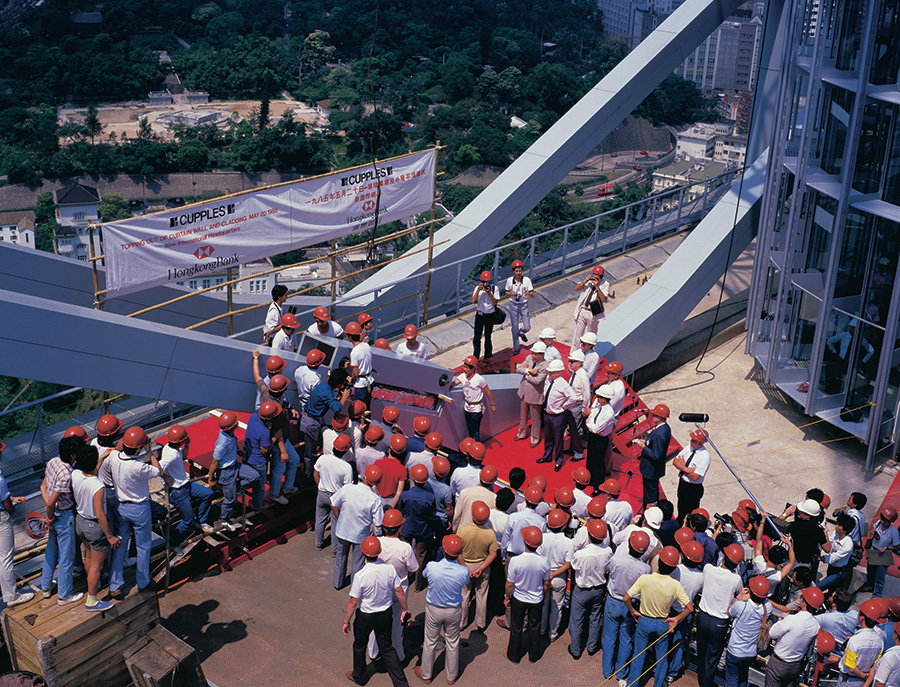
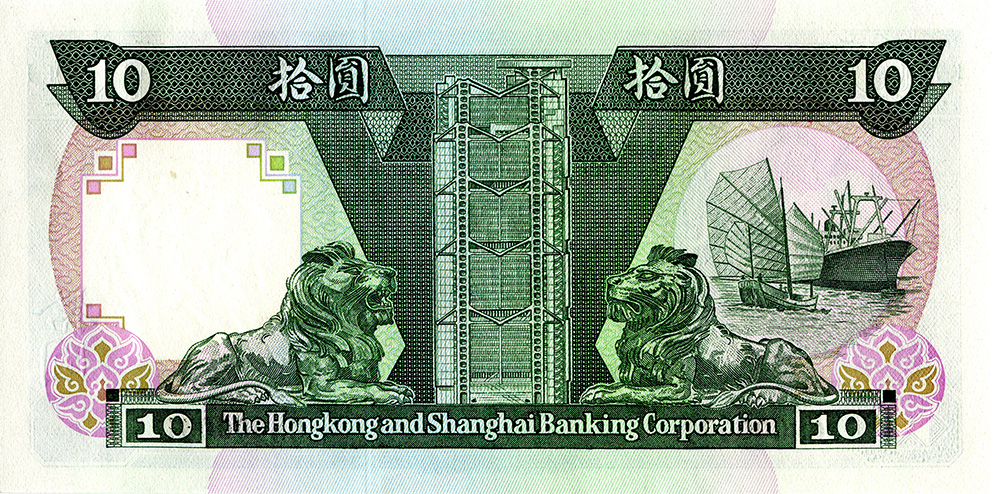
這座由鋼與玻璃構造的高塔,奪目耀眼,散發太空時代的光芒的魅力 这座由钢与玻璃构造的高塔,夺目耀眼,散发太空时代的酷炫魅力Una deslumbrante torre de acero y cristal que rezuma el glamour de la era espacialUne tour étincelante d’acier et de verre, exhalant un glamour futuristeA glittering tower of steel and glass reeking of space-age glamour
大廈落成時的10大重點資料:
1. 面積超過90,000 平方米
2. 當時全球單一建築中內擁有最多的扶手電梯(62部)
3. 應用美國航空航天局技術建造透明升降機
4. 全球唯一在已落成建築物内運作的「開放結構」升降機。一部可下降80米,通往海水引進隧道的籠式升降機
5. 銀行保管庫大門重達50公噸
6. 結構鋼件達27,000公噸
7. 鋁質外牆板面積達90,000 平方米
8. 電力及通訊電纜總長3,600 公里
9. 曾進行當時最全面的結構抗風測試
10. 當時全球造價最高的建築大楼落成时的10大重点资料:
1. 总建筑面积逾90,000平方米
2. 当时单座建筑内拥有最多的扶梯(62部)
3 采用美国太空总署技术打造透明升降机
4. 全球唯一能够在完工建筑中运行的“开放施工”笼式电梯, 可下行80米直达海水隧道
5. 银行金库大门重达50公吨
6. 结构钢件达27,000公吨
7. 铝质外墙板面积达90,000平方米
8. 铺设力及通讯电缆总长3,600公里
9. 曾进行当时最全面的建筑结构抗风测试
10. 当时全球造价最高的建筑物10 datos clave sobre la finalización:
1. Más de 90.000 metros cuadrados de superficie
2. Mayor número de escaleras mecánicas (62) en un solo sitio en todo el mundo
3. Los ascensores transparentes se construyeron utilizando tecnología de la NASA
4. El único ascensor de 'construcción abierta' del mundo que funciona dentro de un edificio terminado - un ascensor de jaula que desciende 80 metros hasta un túnel de agua de mar
5. La puerta de la bóveda del banco pesaba 50 toneladas
6. 27 000 toneladas de acero estructural
7. 90 000 metros de revestimiento de acero
8. 3 600 km de cableado eléctrico y de comunicaciones
9. Las pruebas estructurales contra el viento más exhaustivas jamás realizadas para un edificio
10. El edificio más caro del mundo10 chiffres clés au moment de l’achèvement :
1. Plus de 90 000 mètres carrés de superficie
2. Le plus grand nombre d’escalators (62) sur un même site au monde
3. Des ascenseurs transparents construits grâce à la technologie de la NASA
4. Le seul ascenseur au monde de « construction ouverte » fonctionnant dans un immeuble achevé — une cabine descendant 80 mètres jusqu’à un tunnel d’eau de mer
5. La porte du coffre-fort pèse 50 tonnes
6. 27 000 tonnes d’acier de structure
7. 90 000 mètres de bardage en acier
8. 3 600 km de câblage électrique et de télécommunications
9. Les tests de résistance structurelle au vent les plus poussés jamais réalisés pour un bâtiment
10. L’immeuble le plus cher du monde10 key facts on completion:
1. Over 90,000 square metres in size
2. Most escalators (62) on a single site in the world
3. Transparent lifts were built using NASA technology
4. The only ‘open construction lift‘ operating within a completed building in the world – a cage elevator descending 80 metres to a seawater tunnel
5. Bank vault door weighed 50 tonnes
6. 27,000 tonnes of structural steel
7. 90,000 metres of steel cladding
8. 3,600 km of electrical and communications cabling
9. Most extensive structural wind tests ever conducted for a building
10. Most expensive building in the world
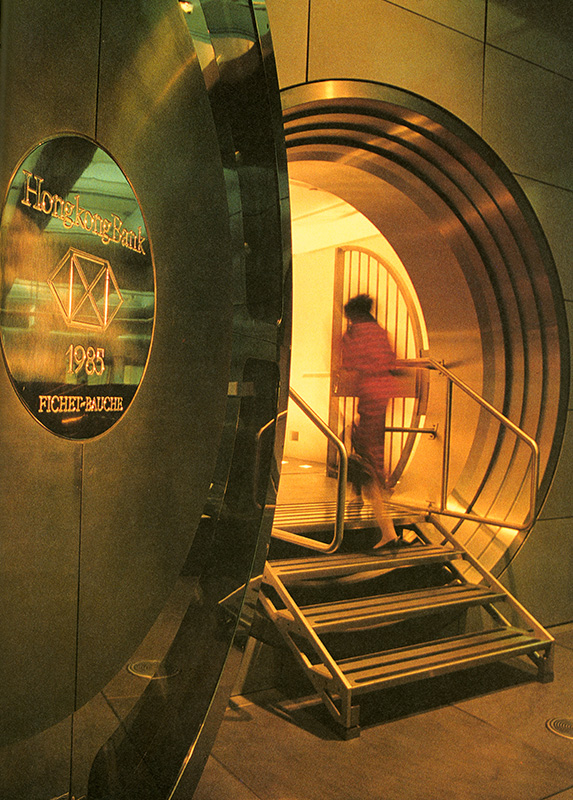
《 Building for Tomorrow》 影片選段,内容介紹新廈開幕禮,以及大廈落成後的内外特色。(Hawke Films 許可轉載)《Building for Tomorrow》影片节选,展示新大楼开幕典礼及新大楼落成后内外景观。(Hawke Films授权转载)Extractos de ‘Construyendo para el mañana’ que muestran la ceremonia de inauguración, así como el interior y el exterior del edificio terminado. Material reproducido con la amable autorización de Hawke FilmsExtraits du documentaire "Building for Tomorrow", présentant la cérémonie d’inauguration et les vues intérieures et extérieures du bâtiment achevé. Document reproduit avec l’aimable autorisation de Hawke FilmsExtracts from ‘Building for Tomorrow’, featuring the opening ceremony, and interior and exteriors of the completed building. Materials reproduced by kind agreement of Hawke Films
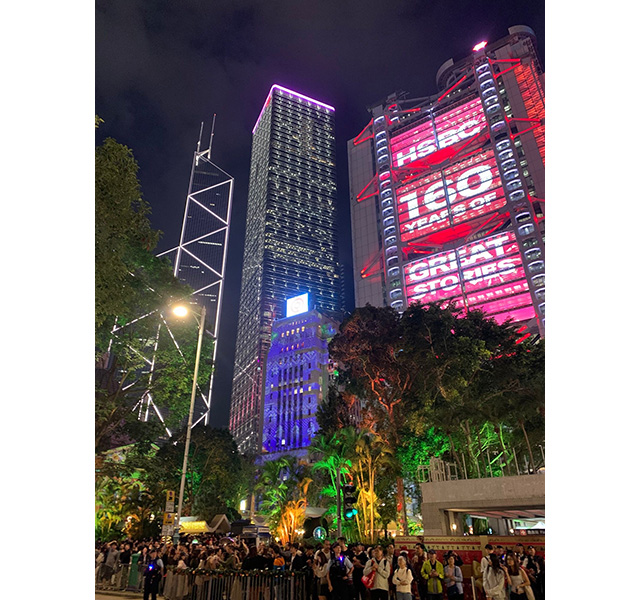
2006年,大廈增設了一個沿地面廣場從皇后大道中一直延伸到德輔道的地面大堂接待區。這個極簡主義風格的空間成為通往各層的統一入口。此前,大廈於2003年裝置了超過1公里LED燈光系統,使其成為香港旅遊發展局主辦的「幻彩詠香江」維港燈光匯演中的焦點。
2009至2010年間,大廈進行全面翻新工程,重塑建築活力並提升場地的環保設施。項目由大廈的原建築事務所(現改稱Foster & Partners)參與。第一期工程是安裝洗手間的節能照明和降低耗水量的新型水龍頭,並於大廈25個樓層更換智能省電照明系統;大樓的全部主柱和外殼板又經深層清潔,使之回復最佳狀態。第二期包括裝置全新的茶水間、升降機優化工程,以及改善扶手電梯的分隔設施。2006年,大楼新增一处贯穿皇后大道至德辅道中广场区域的大堂及接待区,在极简玻璃围合结构下形成通往上层楼层的统一出入口。早在2003年,建筑外立面便加装逾1公里LED灯光系统,使其成为香港旅游发展局“幻彩咏香江”维港灯光秀的焦点。
2009至2010年间,大楼启动了全面翻新工程,以焕发活力并强化场地的环保特性。该项目由大楼原设计团队,即如今的福斯特建筑事务(Foster & Partners)参与主导。第一阶段工程包括在卫生间安装节能灯具和节水龙头,最大限度减少水资源消耗。智能节能照明系统覆盖了建筑的25层楼。建筑的立柱与外立面也进行了深度清洁,使其恢复至最佳状态。第二阶段工程涵盖新建茶水间、提升电梯性能以及改善扶梯分隔设施。En 2006, se agregó un vestíbulo y área de recepción que se extendía a lo largo de la plaza desde Queen’s Road hasta Des Voeux Road, creando un único punto de acceso a los pisos superiores dentro del recinto minimalista de cristal. Anteriormente, en 2003, se había añadido más de un kilómetro de iluminación LED a la estructura para garantizar que el edificio ocupara un lugar central en el plan de iluminación del puerto ‘Sinfonía de luces’ desarrollado por la Junta de Turismo de Hong Kong.
En 2009 y 2010, se llevó a cabo un proyecto de renovación integral para revitalizar el edificio y potenciar sus aspectos ecológicos. El proyecto se llevó a cabo con los arquitectos originales del edificio, ahora conocidos como Foster & Partners. En la primera fase se instaló iluminación eficiente en los baños y grifos nuevos para minimizar el consumo de agua. Se instaló iluminación inteligente de bajo consumo en los 25 pisos del edificio. Las columnas y el revestimiento del rascacielo también se sometieron a una limpieza profunda para devolverles su estado óptimo. La segunda fase incluyó nuevas bodegas, mejoras en los ascensores y en la disposición de las escaleras mecánicas.En 2006, un hall et une zone de réception s’étendant sur toute la longueur du parvis, de Queen’s Road à Des Voeux Road, sont ajoutés, créant un point d’entrée unique vers les étages supérieurs dans une enceinte de verre minimaliste. Dès 2003, plus d’un kilomètre d’éclairage LED avait été intégré à la structure pour permettre au bâtiment d'occuper une place centrale dans le spectacle son et lumière du port « Symphony of Lights », développé par le Hong Kong Tourism Board.
En 2009 et 2010, un vaste projet de rénovation est mené pour redynamiser l’immeuble et renforcer ses atouts environnementaux, en collaboration avec les architectes d’origine, désormais connus sous le nom de Foster & Partners. La première phase introduit un éclairage à faible consommation d’énergie dans les sanitaires et de nouveaux robinets pour réduire la consommation d’eau. Un éclairage intelligent et basse consommation est déployé sur 25 étages. Les colonnes et le revêtement du gratte-ciel sont également nettoyés en profondeur pour retrouver leur état d’origine. La deuxième phase comprend de nouvelles kitchenettes, la modernisation des ascenseurs et le recloisonnement des escalators.In 2006, a lobby and reception area stretching the length of the plaza from Queen’s Road to Des Voeux Road was added, creating a single point of entry to the upper floors within the minimalist glass enclosure. Earlier, in 2003, over one kilometre of LED lighting had been added to the structure to enable the building to take centre stage in the ‘Symphony of Lights’ harbour lighting plan developed by the Hong Kong Tourism Board.
In 2009 and 2010, a comprehensive refurbishment project took place to reinvigorate the building and augment the environmentally-friendly facets of the site. The project was undertaken with the building’s original architects, now known as Foster & Partners. The first phase installed energy-efficient lighting in the washrooms and new taps to minimize water consumption. Intelligent, energy-saving lighting was rolled out across 25 floors of the building. The skyscraper’s columns and cladding were also deep-cleaned to restore them to prime condition. The second phase included new pantries, lift enhancements and escalator partitioning improvements.


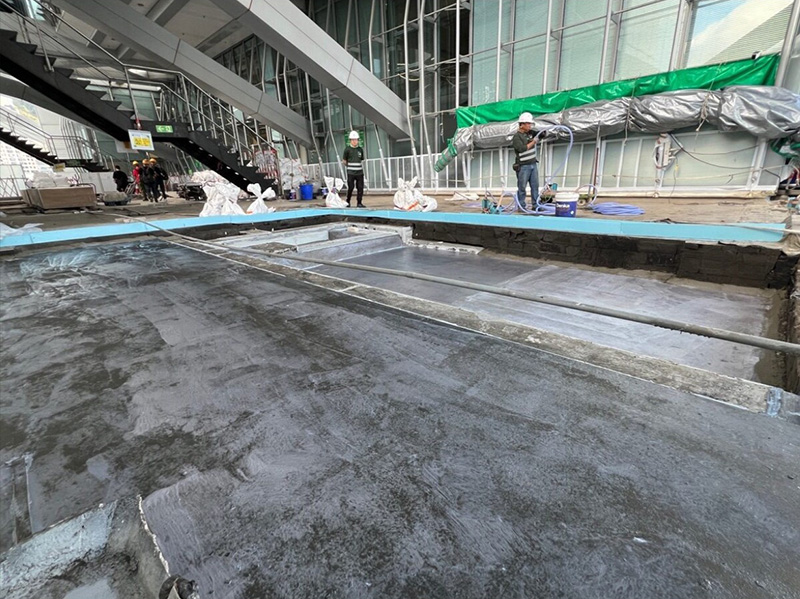
近年總行大廈部分室內空間和裝置已進一步現代化,以呼應當代辦公室設計及科技整合的需要。這包括重新規劃行政樓層,提高靈活性、效率,並加强全球、各區域與香港管理團隊之間的聯繫。自2020年起,大廈也完成了關鍵的外牆翻新和維修,包括天面防水工程、更換樓頂的巨型公司標誌,又在28樓平台加設安全圍欄。
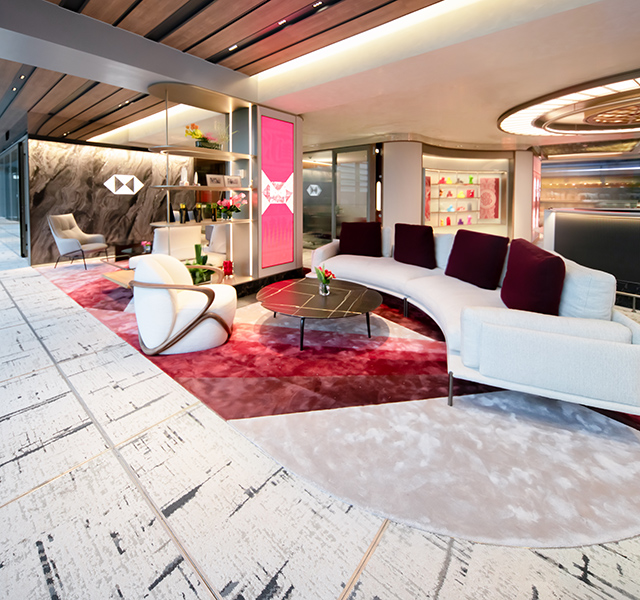
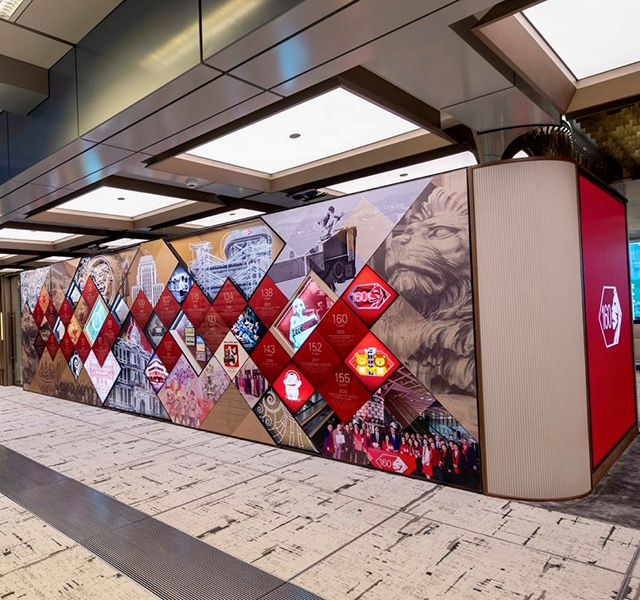
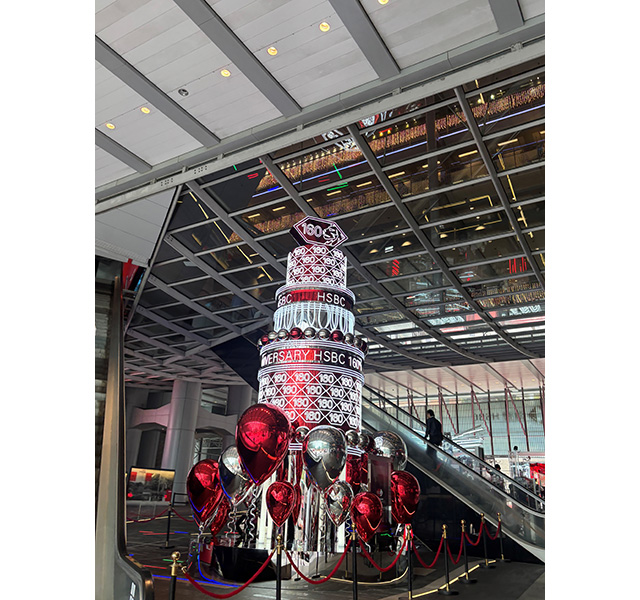
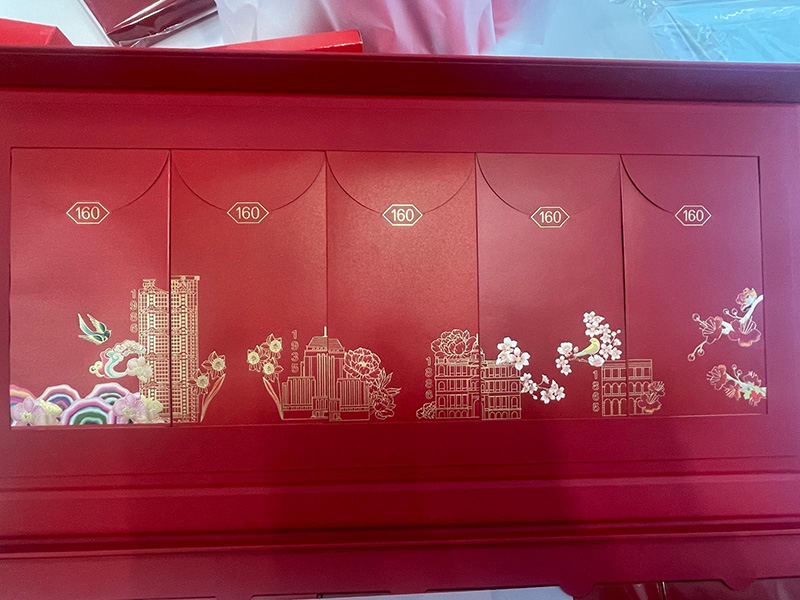
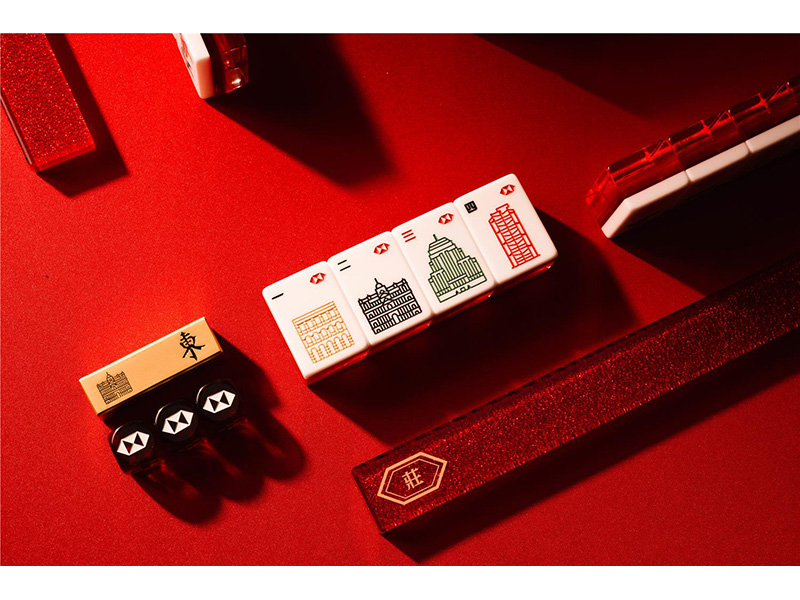
2025年,我們在總行大廈5樓開設了首個滙豐卓越尊尚財富中心,客戶在此可飽覽維港全貌、享用豪華設施和欣賞專設有關滙豐歷史傳承的展品。同年,總行大廈更成為160周年紀念慶祝活動的焦點,設有主題裝置,並推出全新燈光匯演,呈現自1865年以來皇后大道1號四代總行大廈的演變。近年来,总行大楼内部多处空间完成现代化升级,契合当代办公设计与技术融合趋势。行政楼层亦重新设计,提升全球、区域及香港领导团队办公的灵活性、效率与互联互通性。自2020年起,建筑外部也完成了多项关键翻新与维修工程,包括屋顶防水处理、更换顶部巨型公司标志,以及为28层露台加装安全护栏。
2025年,我们在5楼开设了首家汇丰卓越理财尊尚财富中心,客户在此可饱览维港全貌、享用豪华设施,并欣赏专设有关汇丰历史传承的特别传承展品。同年,这座建筑在汇丰160周年庆典中扮演了核心角色,不仅设置了主题装置,还推出了全新灯光秀,呈现自1865年以来皇后大道1号总行历经四代变迁的历程。En los últimos años, algunos elementos del interior se han modernizado para reflejar el diseño contemporáneo del lugar de trabajo y la integración de la tecnología. Esto incluyó el rediseño de las plantas ejecutivas para mejorar la flexibilidad, la eficiencia y la conectividad entre los equipos directivos globales, regionales y de Hong Kong. Desde 2020, también se han completado importantes reformas y reparaciones exteriores, incluyendo la impermeabilización del techo, la sustitución del gran letrero tipo "halo" en la parte superior del edificio y la adición de una barandilla de seguridad a la terraza del piso 28.
En 2025, lanzamos el primer Centro de Administración Patrimonial de Élite Premier de HSBC en el nivel 5, que ofrece a los clientes vistas panorámicas del puerto de Hong Kong, instalaciones de lujo y exposiciones dedicadas al legado. Ese mismo año, las instalaciones también desempeñaron un papel protagonista en las celebraciones de nuestro 160° aniversario, albergando instalaciones temáticas y un nuevo espectáculo de luces que presentaba a las cuatro generaciones de la sede central de 1 Queen’s Road desde 1865. Ces dernières années, l’intérieur de l'immeuble a été modernisé afin de refléter les tendances contemporaines en matière d’aménagement des espaces de travail et d’intégration technologique. Les étages de direction ont notamment été réaménagés pour améliorer la flexibilité, l’efficacité et la connectivité entre les équipes dirigeantes internationales, régionales et celles de Hong Kong. Depuis 2020, d’importants travaux de rénovation et de réparation extérieurs ont également été menés à bien : imperméabilisation du toit, remplacement du grand panneau « halo » au sommet de l'immeuble et pose d’une balustrade de sécurité sur la terrasse du 28e niveau.
En 2025, nous avons inauguré le premier HSBC Premier Elite Wealth Centre de la banque au 5e niveau, offrant aux clients une vue panoramique sur le port de Hong Kong, des installations haut de gamme et des espaces dédiés à notre histoire. Cette année-là, le bâtiment a aussi joué un rôle central dans nos célébrations du 160e anniversaire, accueillant des installations thématiques et un nouveau spectacle de lumières retraçant les quatre générations du siège social du 1 Queen’s Road depuis 1865. In recent years, elements of the interior have been modernised to reflect contemporary workplace design and technology integration. This included redesigning executive floors to improve flexibility, efficiency, and connectivity amongst global, regional, and Hong Kong leadership teams. Since 2020, crucial exterior refurbishments and repairs have also been completed, including waterproofing the roof, replacing the large ‘halo’ sign on top of the building, and adding a security balustrade to the Level 28 terrace.
In 2025, we launched the bank’s first HSBC Premier Elite Wealth Centre on Level 5, offering clients panoramic views of Hong Kong’s harbour, luxury facilities and dedicated heritage displays. That year, the premises also played a starring role in our 160th anniversary celebrations, hosting thematic installations and a new light show featuring all four generations of the 1 Queen’s Road head office since 1865.
傳承久遠恒久传承 Un legardo perdurableUn héritage durableEnduring legacy
滙豐控股有限公司於1990年代初在收購米特蘭銀行(現為英國滙豐銀行)後成立。滙豐集團環球總部自此設在倫敦。然而,皇后大道1號至今仍是香港上海滙豐銀行的總行所在地,也是我們企業身份的重要象徵。
儘管近年周邊不斷有更高的新建築落成,它依然是21世紀香港一座非常獨特的建築地標。銀行歷來多喜愛以宏偉建築以彰顯穩固、信心與繁榮,而諾曼·福斯特的創作既成功展現這些特質,更突破了傳統摩天大廈的的既有模式。這項大膽應用組件建築法和外露結構的前衛設計,與滙豐創新而開放的企業文化有異曲同工之妙。
汇丰控股有限公司于1990年代初在收购米特兰银行(现为英国汇丰银行)后成立,汇丰集团环球总部自此设在伦敦。然而,皇后大道1号至今仍始终是香港上海汇丰银行的总部所在地,也是我们企业身份的重要象征。
银行历来多设于引人注目的建筑之中,以彰显稳固、信心与繁荣。诺曼·福斯特的设计不仅充分体现这些特质,也突破了传统摩天大楼的既有模式。其以前卫的模块化建造方式与外露结构见称,正好呼应汇丰创新而开放的企业文化。
HSBC Holdings plc se formó a principios de la década de 1990 tras la adquisición de Midland Bank (ahora, HSBC UK). En consecuencia, nuestras oficinas globales se encuentran ahora ubicadas en Londres. No obstante, 1 Queen’s Road continúa funcionando como la oficina central de The Hongkong and Shanghai Banking Corporation y es una parte sumamente importante de nuestra identidad corporativa.
Sigue siendo un hito arquitectónico único dentro de la línea del horizonte de Hong Kong del siglo XXI, a pesar de que construcciones más recientes ahora se elevan por encima del edificio. Tradicionalmente, los bancos se ubican en edificios llamativos que atraen la mirada y sugieren permanencia, confianza y prosperidad. La creación de Norman Foster logra plasmar con éxito todas estas cualidades, a la vez que se distingue del motivo convencional de los rascacielos. El diseño avant-garde, con su construcción modular y estructuras expuestas, refleja la cultura de innovación y apertura de HSBC.
HSBC Holdings plc est créée au début des années 1990 à la suite de l’acquisition de Midland Bank (aujourd’hui HSBC UK). Notre siège mondial est dès lors établi à Londres. Le 1 Queen’s Road continue néanmoins d'opérer comme le siège social de The Hongkong and Shanghai Banking Corporation et constitue un élément fondamental de notre identité d’entreprise.
Si des constructions plus récentes le surplombent désormais, il demeure néanmoins un repère architectural unique dans la silhouette de Hong Kong au XXIe siècle. Traditionnellement, les banques occupent des bâtiments imposants qui attirent le regard et évoquent la pérennité, la confiance et la prospérité. La création de Norman Foster incarne avec succès toutes ces qualités, tout en se démarquant résolument des gratte-ciel conventionnels. Son design d’avant-garde, avec sa construction modulaire et ses structures apparentes, reflète la culture d’innovation et d’ouverture de HSBC.
HSBC Holdings plc was formed in the early 1990s following the takeover of Midland Bank (now HSBC UK). Consequently, our global headquarters is now located in London. However, 1 Queen’s Road continues to operate as the head office of The Hongkong and Shanghai Banking Corporation and is a hugely important part of our corporate identity.
It remains a unique architectural landmark within Hong Kong’s twenty-first-century skyline even though more recent constructions now tower above it. Banks are traditionally housed in striking buildings that catch the eye and suggest permanence, confidence and prosperity. Norman Foster’s creation successfully embodies all these qualities, whilst also standing out from the conventional skyscraper motif. The avant-garde design – with its modular construction and exposed structures – reflects HSBC’s culture of innovation and openness.
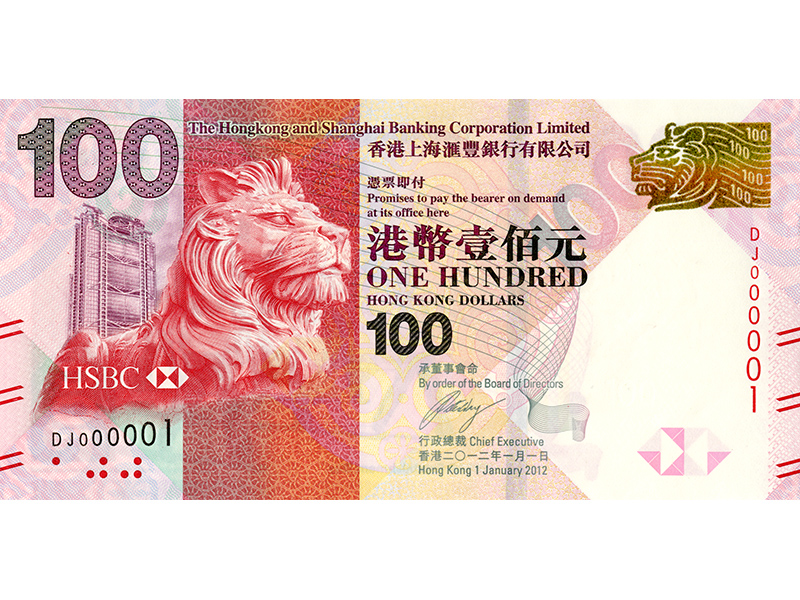


自從1865年以來,滙豐始終駐守皇后大道1號,四代輝煌的總行大廈也在此見證我們對香港的信心堅定不移。創行先賢選擇這裏為行址,因為相信這是亞洲與全球各地之間的理想門戶。事實證明他們眼光獨到 - 我們每一座總行大廈都見證了香港成為世界領先的國際金融中心之歷程。自1865年以来,汇丰在皇后大道1号历经四次蜕变却始终扎根于此,这正是汇丰对香港坚定信心的有力证明。当年,汇丰的创始人选择此处作为行址,坚信这里是连接亚洲与世界其他地区的绝佳门户。事实证明了他们的远见卓识:总行四代建筑的变迁,见证了香港逐步发展成为国际领先金融中心的历程。 La presencia de larga data de HSBC en 1 Queen’s Road, en cuatro notables encarnaciones desde 1865, es un testimonio de nuestra fe en Hong Kong. Nuestros fundadores eligieron este emplazamiento porque creían que sería una puerta de enlace perfecta entre Asia y el resto del mundo. Su predicción resultó ser correcta, ya que la sucesión de nuestra sede central ha sido testigo de la evolución de la ciudad hasta convertirse en un importante centro financiero internacional. La présence historique de HSBC au 1 Queen’s Road, à travers quatre réalisations remarquables depuis 1865, témoigne de notre confiance en Hong Kong. Nos fondateurs ont choisi ce site parce qu’ils le considéraient comme la passerelle idéale entre l’Asie et le reste du monde. Leur intuition s'est révélée juste, car nos sièges sociaux successifs ont été les témoins de l’évolution de la ville en l'un des principaux centres financiers internationaux. HSBC’s longstanding presence at 1 Queen’s Road, in four remarkable incarnations since 1865, is a testament to our faith in Hong Kong. Our founders selected the site because they believed it was the perfect gateway between Asia and the rest of the world. Their prediction proved correct as our succession of head offices witnessed the city’s evolution into a leading international financial centre.
香港總行不只是地標,更與本地社會息息相關經常成為社區文化活動和公衆慶典的場地。地面的公衆廣場人流不絕,並提供一條連接皇后大道與德輔道之間的無車通道,寬闊安全備受歡迎。守護入口的銅獅史提芬與施迪,早已成為象徵香港安定與繁榮的地標,途人常撫摸獅爪祈求好運,遊客亦紛紛在此拍照留念人們喜愛摩擦銅獅爪子祈求好運,遊客亦紛紛到此都拍照留念。香港总行大楼不只是地标,更与本地社会息息相关,经常成为社区文化活动和公众庆典的场地。地面的公众广场人流不绝,并提供一条连接皇后大道与德辅道之间的无车通道,宽阔安全,备受欢迎。守卫在入口的铜狮史提芬与施迪,早已成为象征香港安定与繁荣的象征;途人常摸摸狮爪祈求好运,游客也纷纷到此拍照留念。Nuestra icónica oficina central está también profundamente integrada en el tejido social de Hong Kong. El edificio es un punto de encuentro para la participación comunitaria, donde se realizan instalaciones culturales y celebraciones públicas. La plaza bulle de actividad y ofrece un paso ameno y libre de tráfico que une Queen’s Road y Des Voeux Road. Stephen y Stitt, las esculturas de leones de bronce que vigilan nuestra entrada, son hitos simbólicos de la seguridad y prosperidad de la ciudad. Los transeúntes les frotan las patas para atraer la buena suerte y los turistas se toman fotos con ellos para la posteridad.Notre siège social emblématique est également profondément ancré dans le tissu social de Hong Kong. L’immeuble est un point de rassemblement de la communauté, accueillant installations culturelles et célébrations publiques. Le parvis, animé et piéton, offre un passage bienvenu entre Queen’s Road et Des Voeux Road. Stephen et Stitt, les lions de bronze qui gardent notre entrée, sont devenus des symboles de la sécurité et de la prospérité de la ville. Ils figurent sur les photos souvenirs des touristes et les passants caressent leurs pattes pour attirer la chance.Our iconic head office is also deeply integrated into the social fabric of Hong Kong. The building is a rallying point for community engagement — hosting cultural installations and public celebrations. The plaza bustles with activity and provides a welcome, traffic-free thoroughfare to link Queen’s Road and Des Voeux Road. Stephen and Stitt, the bronze lion sculptures guarding our entrance, are symbolic landmarks of the city’s security and prosperity. Passers-by rub their paws for good luck and tourists take photographs for posterity.
總行大廈近期的航拍畫面 (沒有音頻)总行大楼近期的空拍画面 (没有音频)Imágenes aéreas recientes del edificio (sin audio)Images aériennes récentes de l’immeuble (sans audio)Recent aerial footage of the building (no audio)
明日的建築明日的建筑Un edificio para el mañana Un bâtiment tourné vers l'avenirA building for tomorrow
皇后大道1號遠不止是一座辦公大樓,更是一份建築宣言、一座工程技術里程碑和文化地標。在諾曼・福斯特精心擘畫下,大廈實現了大膽創新的結構技術升級、環保遠見和公民意識,體現了滙豐的開放和創新的特質,以及雄心壯志、堅毅不拔的香港精神。大廈並將公衆廣場劃為永久開放空間,成為卓越建築的典範,超越設計功能,成為大眾集體記憶的一部分。
點擊連結以探索本系列的第一和第二部曲。皇后大道1号远不止是一座银行办公大楼。它是一份建筑宣言、一项工程里程碑,更是一座文化地标。诺曼·福斯特以大胆的结构创新、对环境的前瞻考量,以及兼具公共关怀的理念,打造了一座至今仍深刻塑造香港城市景观的建筑。它体现了汇丰银行的开放与创新,也映照出香港这座城市锐意进取、坚韧不拔的精神。广场的持久活力与公共功能,使这座建筑成为建筑艺术的典范——展现了建筑如何超越使用功能,成为城市集体记忆的一部分。
点击以下连结探索三部曲的第一和第二部曲。 1 Queen’s Road es mucho más que una oficina bancaria. Es un manifiesto arquitectónico, un hito de la ingeniería y un referente cultural. Mediante audaces avances estructurales, previsión ambiental y gestos cívicos, Norman Foster creó un edificio que aún define la línea del horizonte de Hong Kong. Representa la apertura e innovación del banco, así como el espíritu de ambición y resiliencia de la ciudad. Con su vida perdurable en la plaza y función pública, el edificio se erige como un ejemplo de cómo la arquitectura en su máxima expresión puede trascender la función y entrar en el ámbito de la memoria colectiva.
Haga clic en los vínculos a continuación para explorar las partes uno y dos de esta trilogía.Le 1 Queen’s Road est bien plus qu’un immeuble de banque, c'est un manifeste architectural, une étape majeure de l’ingénierie et un repère culturel. Par ses avancées structurelles audacieuses, une vision environnementale et un engagement civique fort, Norman Foster a conçu un immeuble qui façonne encore aujourd'hui la silhouette de Hong Kong. Il incarne l’esprit d'ouverture et d’innovation de la banque, ainsi que l’ambition et la résilience de la ville. Avec son parvis animé et son rôle public, il illustre comment une architecture d'exception peut transcender sa fonction et s’inscrire dans la mémoire collective.
Cliquez sur les liens ci-dessous pour découvrir les deux premières parties de cette trilogie.1 Queen’s Road is far more than a banking office. It’s an architectural manifesto, an engineering milestone, and a cultural landmark. Through bold structural advancements, environmental foresight, and civic gesture, Norman Foster crafted a building that still defines Hong Kong’s skyline. It embodies the bank’s openness and innovation, and the city’s spirit of ambition and resilience. With its enduring plaza life and public role, the building stands as an exemplar of how architecture at its best can transcend function and enter the realm of collective memory.
Click the links below to explore parts one and two of this trilogy.