
HSBC’s business in Japan is nearly as old as the bank itself. In 1866, Yokohama became home to our third Asian office after Hong Kong and Shanghai. We’ve been connecting customers to opportunities around the world ever since.
Taking root
The Hongkong and Shanghai Banking Corporation started out in 1865 with a clear and simple aim – to support local and international trade. Yokohama was a good strategic fit for the new bank. It had developed into a gateway city following the signing of the 1859 Treaty of Peace, Amity and Commerce. In May 1866, the bank gave W. Robert Brett the task of setting up our first Japanese branch. He opened the new office at 62 Yamashita-Cho, close to Yokohama’s bustling waterfront. HSBC quickly became the leading overseas bank in Japan. Most of our early business came from financing the country’s silk exports, which were highly prized around the world.

Extract from the bank’s prospectus, which was discussed and agreed at a meeting of the Provisional Committee on 6 August 1864
HSBC’s provisional committee had a clear focus on trade and identified Japan as a key player from the outset. Their prospectus for the new bank noted that ‘the local and foreign trade in Hong Kong and at the open ports in China and Japan has increased so rapidly within the last few years that additional banking facilities are felt to be required.’
Yokohama in 1873, with dozens of ships moored in the harbour. The value of foreign trade in Japan virtually doubled every decade from the 1860s until the early 20th century
Expansion and recovery
As trade grew, HSBC followed the flow of commerce. New offices opened in Kobe (1869) and Nagasaki (1891), strengthening the bank’s ability to support importers, exporters and shipping firms across Japan’s key commercial centres. Our managers also offered advice and assistance to the modernising Japanese government on a range of banking matters. Alfred Townsend, our manager in Yokohama, agreed to accept the silver Yen as official currency in all HSBC branches from 1879. This critical decision helped build international confidence in Japan’s currency at a moment when trust was essential for trade. Townsend’s contribution was later recognised with the Order of the Rising Sun from the Japanese Emperor. Between 1897 and 1930, we issued government loans worth £250 million – usually in partnership with the Yokohama Specie Bank. These funded the modernisation of Japan’s railways, waterworks and ports.
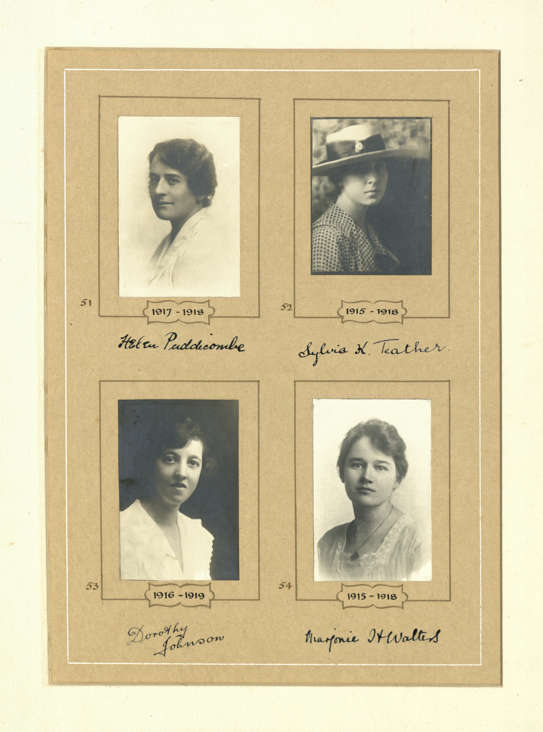
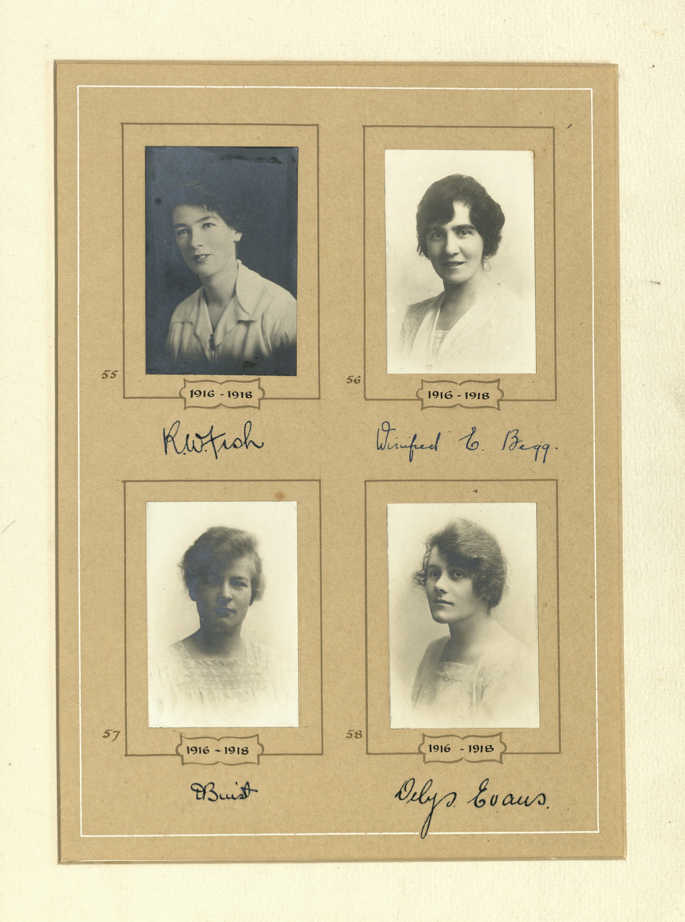

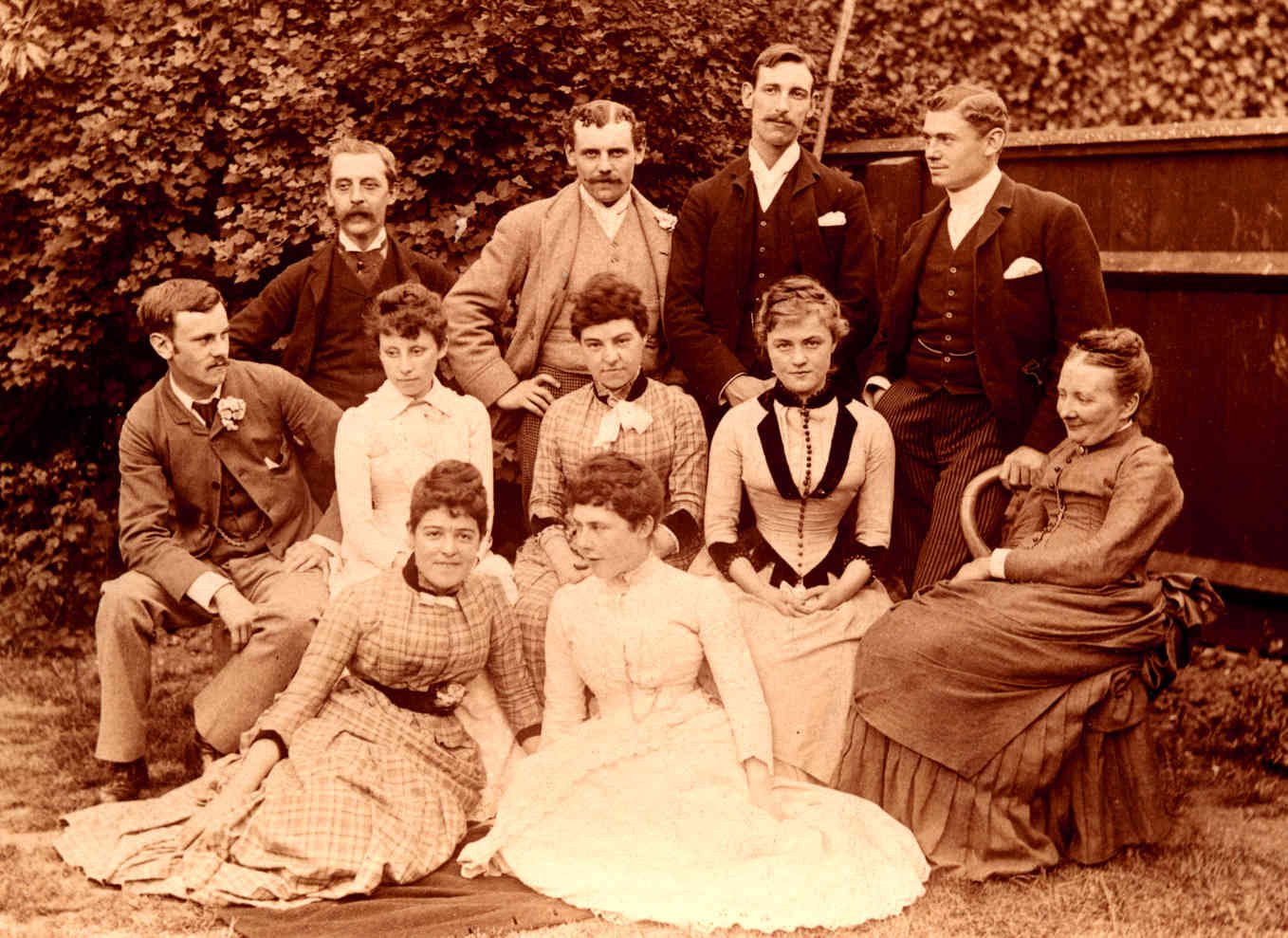
Japan opened the port city of Kobe to foreign trade in 1869, and we opened our branch there that same year. The building, centre, served as our premises from around 1881 to 1900. Kobe branch staff posed for this group portrait around 1889
I was very much impressed with the general flourishing aspect of Kobe, the broad principal streets, the fine buildings, the modern docks and the big dockyard and the up-to-date electric tramway system. I should say that today Kobe is the most advanced and progressive city in Japan.
By the 1920s, Japan was a well-established market in HSBC’s international network that stretched across Asia, and over to Europe and America. The Yokohama branch was busy financing silk exports, providing pre-shipment loans to exporters, and administering personal current accounts for customers. The bank’s annual report for 1922 revealed an optimistic outlook for business in the country, noting that the silk trade had ‘proved a special boon’. But then, suddenly, on 1 September 1923, a devastating earthquake struck Yokohama. Charles Rice, an accountant at the branch, described the moment: ‘Without warning whatsoever the first terrific shake and rumbling of the earthquake started which sounded like an express train going through a tunnel. The large electric fan above my desk fell from the ceiling on to my table and just missed my head’.
George Stacey from the Kobe branch, standing amongst the ruins of our Yokohama branch in 1923
Photographs showing the damage caused by the Great Kantō Earthquake, with smoke rising from the rubble. The disaster resulted in an estimated 140,000 deaths. Sadly, this included the tragic loss of life and injuries amongst HSBC’s staff and their families
Immediately after the earthquake, our Yokohama operations were relocated to safety onboard a ship, and a few months later, we opened a temporary office in a warehouse, ready to resume business and support customers
By 1929, Theatre Street in Yokohama was once again lined with shops and people. The harbour was bustling with large steam ships and smaller boats
Japan moved swiftly to rebuild after the earthquake, and Yokohama’s streets and waterfront were reshaped. HSBC provided the government with loans to support this regeneration. We also opened a new office in Tokyo, initially in a room provided by the Mitsubishi Bank, to support the reconstruction. The board made pledges to both the Japanese Relief Fund and local employees in recognition of ‘the gallant and efficient way our Yokohama staff coped’.
The next major test facing the bank was the Great Depression in the early 1930s. Strong reserves and an enlarged footprint across Asia helped us withstand that sudden downturn. But only a few years later, political tensions in the region posed an even greater threat. The Second World War dramatically disrupted HSBC, and after the war, we were the first British bank to send a representative back to Japan. Valentine Mason later recalled, ‘I got some cardboard boxes and started a filing system… I recovered an erstwhile clerk from the Bank of Japan with HSBC’s old books and he was taken on our staff.’ Early priorities were practical: repairing properties, rebuilding records, and welcoming back valued customers.
Trade and teamwork
HSBC’s support was instrumental in restarting Japan’s post-war trade with the world. By the 1950s, we were firmly back into the everyday rhythm of commerce and financing increasing volumes of overseas trade. Yokohama and Kobe now reported into the Tokyo branch, which oversaw rates, exchange, and accounts. Nagasaki had closed in 1929, but fresh opportunities opened with a new branch in Osaka in 1951. Business at Osaka focused primarily on import and export bills, and supporting Japanese banks with no overseas branches of their own. In Kobe, the client base comprised long-time customers, many of whom had connections to Hong Kong. Former Chairman Guy Sayer later reflected, ‘Tokyo was going to become an international financial centre. It was going to be that way. Japan was going to be a major force’.
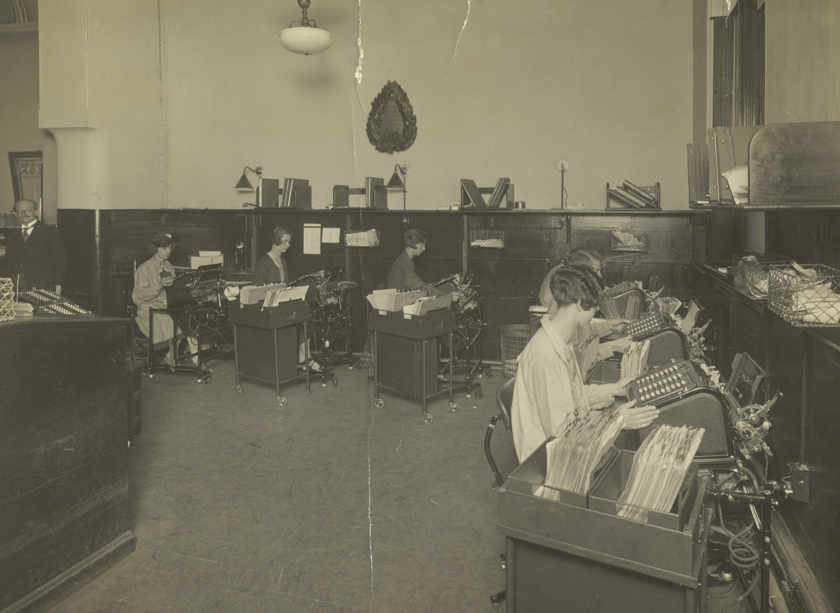
Osaka staff, February 1954
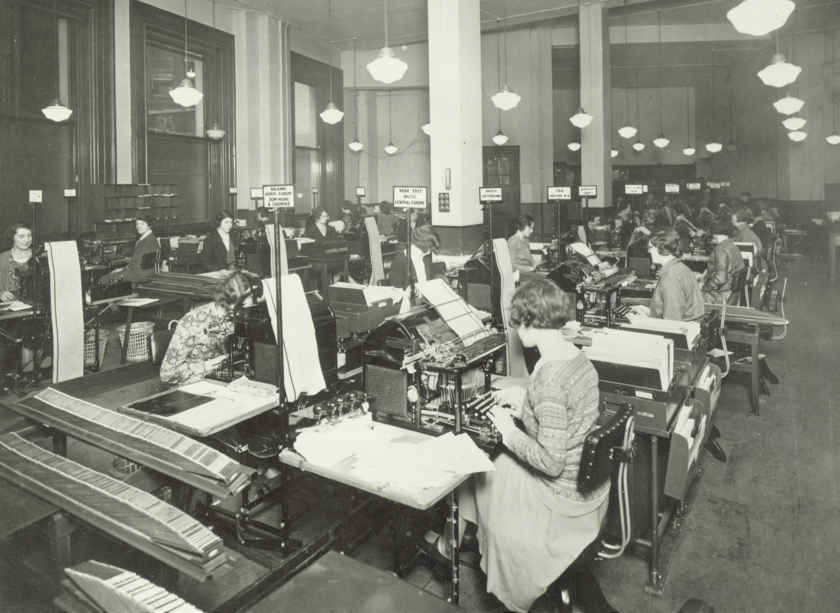
Official opening of the new Kobe premises in 1950
One senses a feeling of considerable optimism amongst Japanese business interests.
In 1960, we moved our Tokyo office into new premises in Marunouchi, the city’s rapidly modernising financial district. Business was brisk as Japan’s economic growth accelerated from the mid-1960s. The country overtook the UK in manufacturing motor vehicles, moved into third place in global steel production, and led the world in shipbuilding. HSBC’s manager in Tokyo, Brian Paterson, reported that ‘1967 has been another year of great progress for Japan with improvements in nearly all branches of trade and industry.’
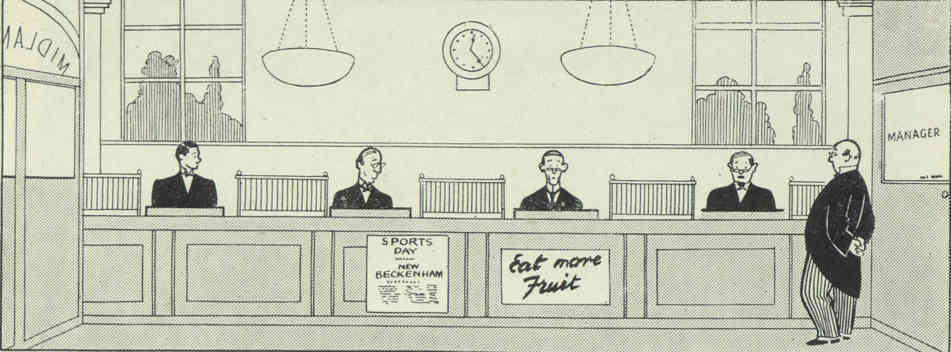
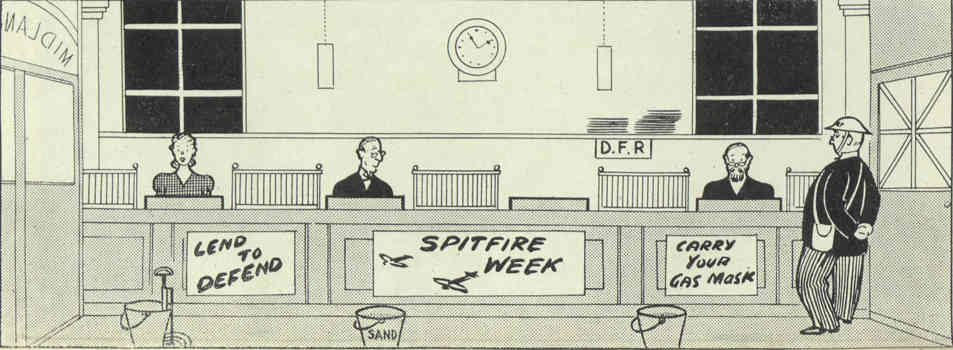
Scenes in and around our thriving Tokyo branch
Work, sport and social life frequently overlapped at HSBC’s branches to nurture strong camaraderie amongst colleagues. Photographs in our archives show that this culture was certainly embraced in Japan. Baseball and table tennis appear to have been particularly popular pastimes.
Staff represented the bank in a variety of team sports, including volleyball
Staff enjoying a table tennis tournament, 15 May 1954
Kobe staff party, c. 1955
Photograph of the staff baseball team and supporters in 1965
Ambition and teamwork clearly extended well beyond the day-to-day branch business of formal ledgers, payments, and exchange rates. Many of these employees enjoyed careers spanning several decades with HSBC. Their expertise and dedication helped power our remarkable post-war journey in Japan.
Boom, bubble and beyond
Japan emerged as one of the world’s dominant economies in the 1980s, and the Tokyo Stock Exchange surpassed New York in terms of total capitalisation. HSBC expanded its footprint and range of services in the country, with offices in Tokyo, Osaka, Nagoya and Fukuoka. We inherited a local merchant banking operation through the acquisition of James Capel in 1984, and the purchase of US-based Marine Midland included their Tokyo office. In 1983, the bank’s first all-Japan management conference was held, with international and regional officers attending to discuss the bank’s ambitions. An HSBC strategic report from this era noted that ‘Japan’s economic leadership in East Asia is… unquestioned.’
Opening of the Fukuoka branch in 1983
In 1987, John Carr, the bank’s CEO in Japan said HSBC’s ‘reliable and steady client base’ in the country was ‘an asset that few other foreign banks have.’
The 1990s proved very challenging for the local economy. The inflated real estate bubble burst and stock market prices tumbled, leading to what became known as the ‘Lost Decade’. Against this backdrop, HSBC pursued a cautious strategy to reduce risk, nurture long-term client relationships, and build on capital strength. Our strategic plan for 1992 noted that ‘Japan’s resilience and adaptability will continue to support our optimistic long-term strategies despite undoubted short-term strains.’ And, in spite of the downturn, we held a series of celebrations in 1991 with clients, staff and stakeholders to mark our 125th anniversary in the country.
Press conference marking HSBC’s 125th anniversary in Japan in 1991. Delegates included Japan CEO Colin Bamford (second from left), Group Chairman William Purves (centre), and David Wong See Hong, Senior Treasury Manager (fourth from left)
HSBC also completed the acquisition of Midland Bank at this time, and we integrated Midland’s Tokyo branch, which had been running since 1973, into our network. Our strategic planning team anticipated that ‘opportunities will arise from the merger to consolidate existing group operations in Japan, and to exploit both the increased bargaining power of a much larger balance sheet and an overseas network which will surpass that of the Japanese banks and most other international banks.’
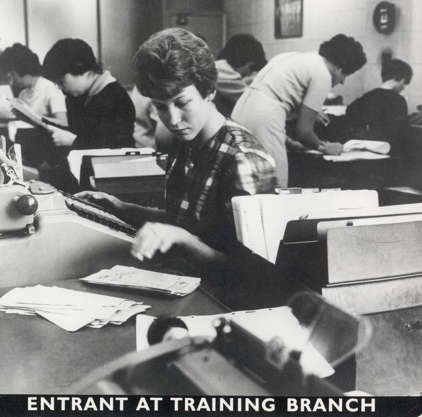
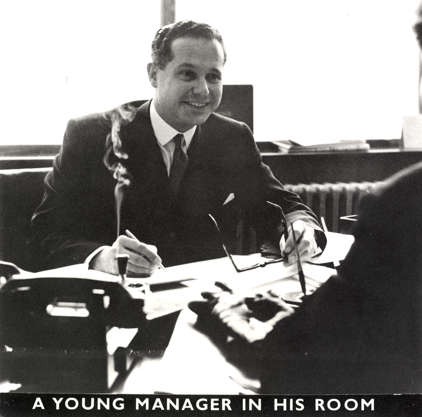
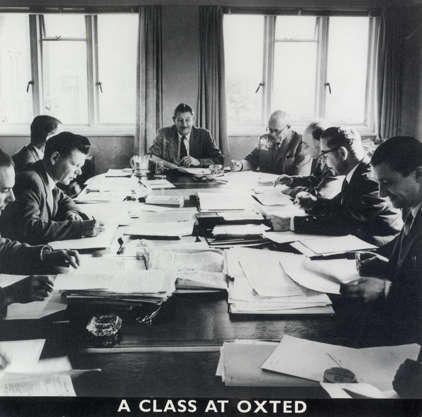
Front covers from Midland Bank International’s monthly trade magazine in the 1980s titled ‘Spotlight’, exploring topics such as the economic situation and market opportunities
In 1998, we centralised our various functions in Tokyo, constructing a 10-storey building in Nihonbashi. The office housed around 500 staff from the principal members of HSBC Japan — Hongkong Bank, Midland Bank, HSBC Securities Japan and HSBC Asset Management Japan. Services previously provided across these various HSBC entities were all consolidated, and two new trading floors were opened. Group Chairman William Purves made a speech at the building’s opening ceremony, saying it was ‘proof of our commitment to the country. As the oldest foreign bank in Japan, we are delighted to have developed further our presence in what we regard as a strategically important market.’
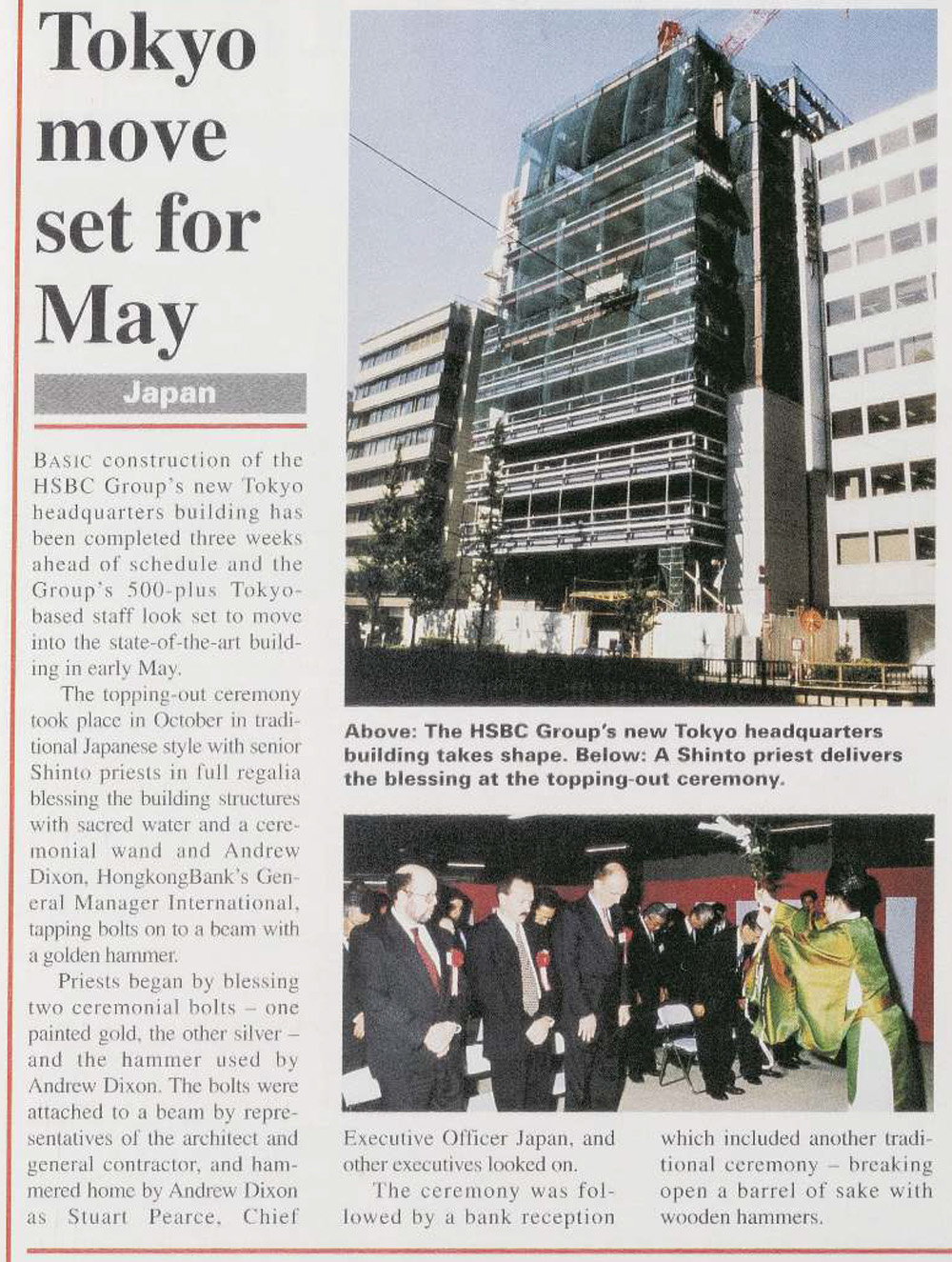
Extract from HSBC Group News staff magazine, showing coverage of the topping-out ceremony of our new building in Tokyo, January 1998
We see Japan as very important to the HSBC Group… we are committed to our business here because of the opportunities that come with participation in the world’s second-largest economy. We aim to be one of the top five foreign financial services providers in Japan. Group Chairman John Bond in a speech to Tokyo investors, August 1999
Emerging from the country’s economic slowdown and into the 2000s, HSBC forged ahead with a strategic plan to ‘generate new business and to raise the profile of HSBC amongst the large Japanese corporates who may be both potential customers and investors.’ We locally incorporated HSBC Asset Management and our securities business to demonstrate our commitment to the market. Aside from a short-lived entry into retail banking in 2008, we maintained a focus on building and maintaining long-term relationships with our clients.
HSBC Business Profile Series report on Japan, 2004
Did you know?
HSBC celebrated 160 years in Japan in 2026.

Guests enjoy a heritage display at the HSBC Japan 160th anniversary event

Takeo Kaneko, HSBC Japan’s CEO, welcomes guests to the 160th anniversary event in April 2026

The 160th anniversary celebrations included a client event featuring speeches by dignitaries, and artistic performances
The anniversary celebrations in 2026 were an opportunity to reflect on the people, places and partnerships that have shaped the bank’s journey and history in Japan – while also looking ahead to the bank’s future ambitions in the country. Today, HSBC Japan supports clients in managing and growing their businesses, both in the domestic market and overseas, thanks to the Group’s global links. We provide a comprehensive range of financial products and services, including asset management, commercial banking, trade services, project export finance, cash management and treasury, capital markets, securities and custody services.
Video celebrating HSBC Japan’s 160th anniversary
Looking ahead
From our beginnings at 62 Yamashita-Cho in Yokohama in 1866, to today’s thriving business in downtown Tokyo, HSBC’s story in Japan is one of long-term relationships, resilience, and unwavering support for trade and growth.


